Phone:
(701)814-6992
Physical address:
6296 Donnelly Plaza
Ratkeville, Bahamas.

Phone:
(701)814-6992
Physical address:
6296 Donnelly Plaza
Ratkeville, Bahamas.
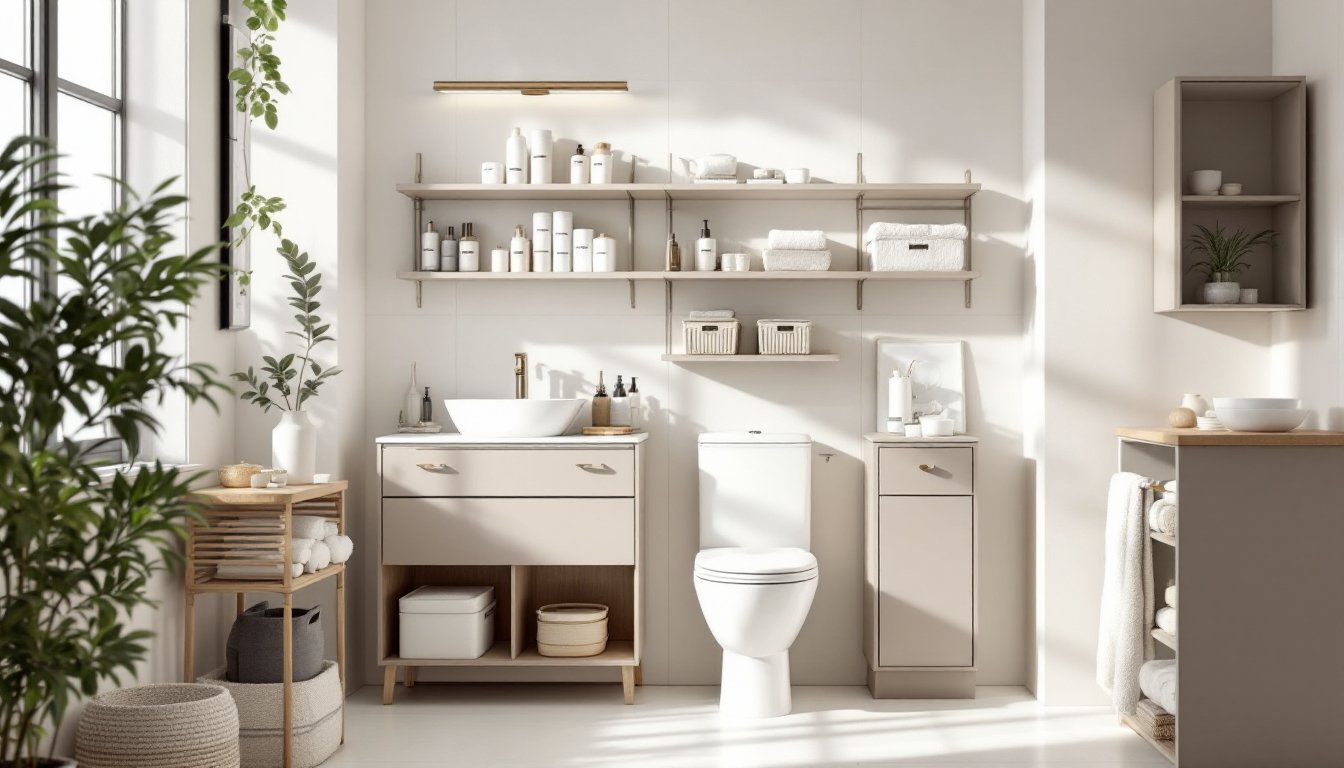
Most bathrooms start out organized. Then bottles pile up on the counter, towels overflow cabinets, and finding the hair dryer becomes a treasure hunt. The real problem isn’t that bathrooms are too small, it’s that we haven’t properly planned our storage strategy. Smart bathroom storage doesn’t require a renovation or buckets of cash. It starts with understanding what you actually own, where it logically belongs, and how to access it without knocking over everything else. Whether you’re renting (no drilling allowed) or own your home outright, this guide walks you through practical solutions that fit real bathrooms, not Pinterest fantasies.
Before you buy a single shelf, inventory what you’re actually storing. Group items into categories: daily toiletries (toothpaste, deodorant, face wash), hair tools and styling products, medications and first aid, cleaning supplies, cosmetics, and linens. Be honest, if you haven’t used that shampoo in six months, it’s taking up real estate. Next, map your bathroom‘s zones. Items used every morning should live within arm’s reach of the sink and mirror: cleaning supplies belong lower (especially in homes with young children), and bulk paper products can hide in less-convenient spots.
Measure your space carefully. Note the vanity’s actual width and depth (not the pretty photos on the website), the clearance under the sink, wall lengths between fixtures, and door swing radius, a cabinet won’t work if the bathroom door can’t open fully. If you rent, confirm your lease terms on drilling and adhesives: magnetic strips and tension rods often work without landlord approval. For homeowners, identify electrical outlets and moisture levels (areas near showers and tubs get humid). These details determine what storage solutions will actually fit and last.
Bathroom floors are prime real estate. Every square inch counts, which is why going vertical solves half the problem. The wall above your toilet, the area beside your mirror, and even the back of the bathroom door are underutilized zones waiting for shelves, cabinets, or hooks.
Wall-mounted solutions keep your floor clear and make the room feel bigger, a psychological win that has real payoff in tight spaces. Install a tall, slim floor cabinet (24 to 30 inches wide) that climbs toward the ceiling. These units won’t eat much floor space but hold surprising volume. Floating shelves work too, especially in groups of two or three above the toilet or vanity. Make sure they’re anchored properly: locate wall studs with a stud finder and use lag bolts or heavy-duty toggle anchors rated for the weight you’re storing (a shelf loaded with towels and bottles adds up fast).
A wall-mounted cabinet or recessed medicine cabinet above the sink is the classic choice for daily grooming items, skincare, medications, first aid supplies, and cosmetics. Recessed cabinets require opening the wall between studs: if that’s not an option, surface-mounted cabinets are simpler and take only an hour to install. Over-the-toilet shelving units are common in small bathrooms because they use dead space. Most come as freestanding units (no drilling) with three or four tiers. These units typically measure 24 to 27 inches wide and fit snugly over a standard toilet. Load the upper shelves with lighter items (rolled washcloths, decorative baskets) and reserve lower shelves for heavier bottles and supplies to keep the unit stable. When choosing shelves or cabinets, pick adjustable models so you can change shelf height as your needs shift. Baskets on shelves help corral small items and disguise clutter while making contents easy to grab.
The space under your sink is a black hole where good intentions go to die. Pipes take up room, moisture lingers, and items migrate to the back where they’re forgotten. Fix this with smart organizers that transform the zone into functional storage.
Start with pull-out sliding drawers or trays, they cost $20 to $60 and let you access items at the back without crawling inside. Layer storage with stackable bins and vertical risers to create shelves within the cabinet. A simple tiered shelf riser (about $15) holds twice as much in the same footprint. Use drawer dividers for cosmetics, razors, and grooming tools so nothing rolls around. Label everything. Yes, actually label it. Unlabeled bins get ignored.
If you want a permanent upgrade, add a toe-kick drawer, a shallow pull-out drawer tucked under the vanity’s kick space. It’s ideal for linens, hair tools, or extra bottles. This requires basic carpentry: build a simple frame from 1×4 lumber, add a plywood bottom, screw on a drawer slide kit (widely available at big-box stores), and attach a wooden or plywood face. Measure carefully before cutting: nominal lumber (2×4) measures 1.5 by 3.5 inches actual. No structural damage, and it’s totally reversible if you rent.
For the cabinet interior, add self-adhesive shelf liners to prevent bottles from sliding and to protect the finish. Under-sink organizers come in plastic, metal, and bamboo: plastic is cheap but won’t hide wear, while stainless steel or powdercoated steel resists moisture better and lasts longer.
Small bathrooms demand creativity. Every inch must work double duty, and sometimes that means rethinking where things belong.
Over-the-showerhead caddies are the low-tech solution: hang bottles and soap directly from your shower arm with a tension rod or spray-mounted caddy. For powder rooms without showers, shelves above the door (using over-door hooks or floating shelves) store rarely used items or bulk supplies without consuming floor or wall space. Magnetic strips affixed to the inside of a cabinet door hold metal grooming tools, scissors, tweezers, nail clippers, and keep them visible. Tension rods installed horizontally between walls or inside cabinets create hangers for spray bottles and cleaning rags.
When wall-mounting isn’t possible (rental or plaster that won’t hold anchors), a freestanding tower cabinet with a narrow footprint (12 to 18 inches wide) fits in corners and beside toilets. These tall, skinny units deliver vertical storage without renovation. For the entryway, an entryway shoe storage bench paired with a wall cabinet blurs the line between bathroom and mudroom, handy if your bathroom door opens into an entry hall.
Corner space is wasted in most bathrooms. A corner shelf unit or corner cabinet captures dead real estate and holds supplies, plants, or rolled towels. Corner shelves usually cost $30 to $80 for a basic metal or wood model. Install one with toggle anchors if there’s no stud, or screw directly into a stud if you’re lucky.
More stuff means more storage, which means more bathroom clutter. A different approach: keep less.
Start by auditing products ruthlessly. Use only what you actually apply to your body or actively clean with each week. The fancy bath bomb from last year? The expired sunscreen? The shampoo your aunt bought you that smells like a chemical plant? Gone. A typical person needs maybe five to ten daily toiletries, not fifty. Fewer items mean smaller storage needs and a calmer space.
When you do store products, choose durable containers that won’t need replacing every few years. Glass jars, stainless steel tins, and quality plastic bins last through years of humidity. Avoid cheap plastic drawers that crack after one year, invest in steel or aluminum organizers rated for wet environments. They cost more upfront but avoid landfill waste.
Use reusable containers and clear labels instead of keeping products in single-use packaging. Transfer cleaning products to labeled spray bottles (buy refillable versions) or concentrate formats. Many commercial cleaners now come as tablets or powders you dissolve at home, much less volume to store. Store cleaning supplies in a small, sealed container on a lower shelf away from cosmetics, medicines, and reaching hands. Real Simple offers guides on reducing household products and maintaining a minimal home inventory. The side benefit: fewer products mean fewer chemicals in your space, lower cost, and genuinely simpler cleanup. A bathroom storage cabinet stocked with intention stays organized longer than one stuffed with forgotten impulse buys.
