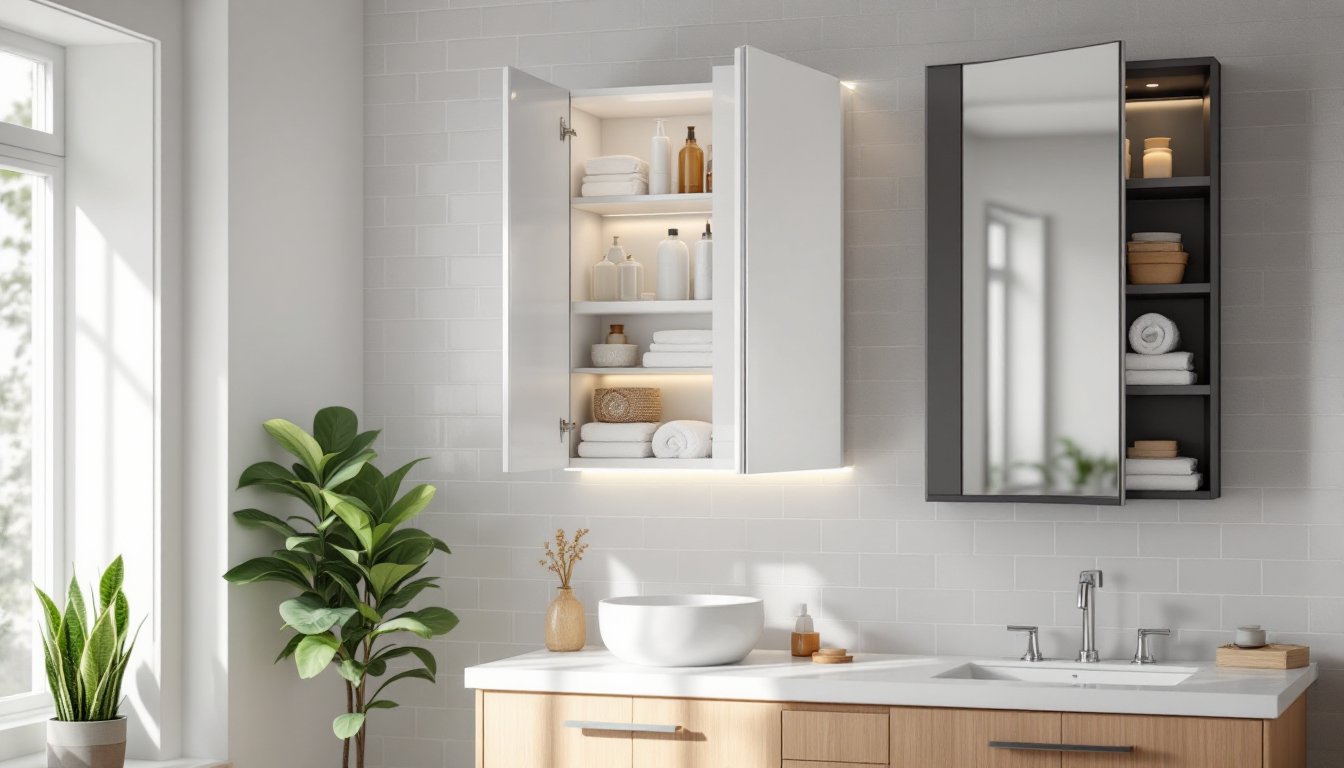
Square footage in a bathroom is precious, and floor space disappears fast once a vanity, toilet, and tub move in. That’s where a bathroom wall cupboard earns its keep, taking unused vertical space and turning it into smart, accessible bathroom storage. Whether someone is finishing a full remodel or just tired of stacking towels on the toilet tank, the right wall-mounted unit can change how a room functions. This guide walks through the styles, sizing, installation, and organization tricks that separate a tidy upgrade from a wobbly weekend regret.
Key Takeaways
- A bathroom wall cupboard maximizes vertical space in small bathrooms by keeping countertops clear and traffic paths open, making rooms feel taller while improving hygiene by keeping toiletries away from splashes and aerosols.
- Mirrored medicine cabinets, open-shelf units, and recessed in-wall styles each serve different purposes—choose based on what you’re storing, your design preference, and available wall space.
- Proper sizing requires 18-24 inches of clearance above a vanity and at least 24 inches between the cabinet bottom and toilet tank lid, with materials like plywood veneer or powder-coated metal resisting bathroom moisture better than MDF.
- Secure installation demands anchoring the wall cupboard into at least two studs using 2.5-3 inch wood screws, or rated toggle bolts if studs don’t align, to safely support the 40-60 pound weight of a loaded cabinet.
- Organize your cupboard by frequency—placing daily-use items at eye level, backup supplies high, and heavy items low—and use clear bins, labels, and adhesive LED strips to maximize functionality and accessibility.
Why a Bathroom Wall Cupboard Is a Game-Changer for Small Spaces
In a typical 5×8 ft bathroom, the floor is already spoken for. A wall-mounted cupboard pulls storage upward, keeping countertops clear and traffic paths open. That matters in powder rooms where every inch counts, and it pairs nicely with other small bathroom storage solutions like over-toilet shelving or recessed niches.
There’s also a hygiene angle: keeping toothbrushes, medications, and linens off the counter means less exposure to splashes and aerosols from the toilet. And visually, a cabinet mounted at eye level draws the gaze up, making a cramped room feel taller than it is.
Types of Bathroom Wall Cupboards to Consider
Not every wall cabinet solves the same problem. Before shopping, homeowners should think about what they’re storing, who’s reaching for it, and how much wall they can actually use.
Mirrored, Open-Shelf, and Recessed Styles
- Mirrored medicine cabinets double as a mirror and hide clutter behind the door. They’re the workhorse choice above a vanity. A solid roundup of surface-mount mirrored cabinets shows how varied the category has become, from brass-framed to frameless slab styles.
- Open-shelf cupboards display rolled towels, baskets, and apothecary jars. Great for design impact, less great for dust and humidity.
- Recessed (in-wall) units sit between the studs, typically in a 14.5-inch bay, and gain depth without bumping into anyone’s forehead. They require cutting drywall and confirming no plumbing or wiring is in the cavity.
- Tall narrow towers, like these tall bathroom storage cabinet ideas, exploit dead wall above the toilet.
How to Choose the Right Size, Material, and Finish
Sizing starts with clearance. A bath wall cabinet over a vanity should sit roughly 18 to 24 inches above the countertop, with the cabinet itself no wider than the vanity below. Above a toilet, leave at least 24 inches of clearance from the tank lid to the cabinet bottom.
Material matters more in a bathroom than anywhere else in the house:
- Solid wood (oak, maple, poplar): durable but needs a sealed finish to handle humidity.
- Plywood with veneer: stable, resists warping better than MDF.
- MDF: budget-friendly and paint-ready, but it swells fast if water gets in. Avoid near tubs and showers.
- Metal (powder-coated steel): great for industrial or modern looks, immune to moisture.
For finishes, satin or semi-gloss paint wipes clean easier than matte. A dark finish, like the kind covered in this guide to black bathroom storage cabinets, hides splashes and water spots remarkably well.
Installation Tips for a Secure, Level Fit
A loaded bathroom storage cabinet can weigh 40 to 60 pounds. It needs to be anchored properly, period.
Tools and materials:
- Stud finder
- Level (a 24-inch is ideal)
- Drill/driver with bits
- #10 or #12 wood screws (2.5 to 3 inches) for studs: heavy-duty toggle bolts for drywall-only mounting
- Pencil, tape measure, safety glasses
Steps:
- Locate studs and mark centers. Standard spacing is 16 inches on center, though older homes may vary.
- Mark the cabinet’s top edge with a level line. Measure twice: drywall mistakes are annoying to patch.
- For recessed installs, confirm the cavity is clear of wiring and pipes before cutting. A stud finder with AC detection helps, but cutting a small inspection hole first is smarter.
- Pre-drill pilot holes, then drive screws into at least two studs. If studs don’t align, use rated toggle bolts (50+ lb capacity each).
- Re-check level before tightening fully, then load shelves gradually.
For anyone wanting to build a custom unit from scratch, the free plans at Ana White’s project library are a solid starting point for beginner woodworkers. Always wear safety glasses when drilling overhead, drywall dust loves eyeballs.
Organizing and Styling Your Cupboard Like a Pro
An empty cabinet is just potential. Smart organization makes it functional daily.
- Zone by frequency. Daily-use items (toothpaste, contact solution) at eye level. Backup supplies up top. Heavy items like hair tools on the bottom shelf.
- Use clear acrylic bins or small baskets to corral loose items. Labels help in shared bathrooms.
- Add risers or tiered shelves inside deeper cabinets so back-row items aren’t lost.
- Install adhesive LED strips under the top shelf for instant task lighting, especially in cabinets without built-in lights.
For styling open shelves, the rule of three works: vary heights, mix textures (a ceramic jar, a rolled linen towel, a small plant), and leave breathing room. Cramming every inch defeats the purpose.
Conclusion
A well-chosen bathroom wall cupboard solves a storage problem and tightens up the room’s design at the same time. The key is matching the style and material to the moisture, traffic, and clutter the bathroom actually sees, then mounting it like it’s meant to stay. Measure carefully, anchor into studs, and the upgrade pays off every morning.