Phone:
(701)814-6992
Physical address:
6296 Donnelly Plaza
Ratkeville, Bahamas.

Phone:
(701)814-6992
Physical address:
6296 Donnelly Plaza
Ratkeville, Bahamas.
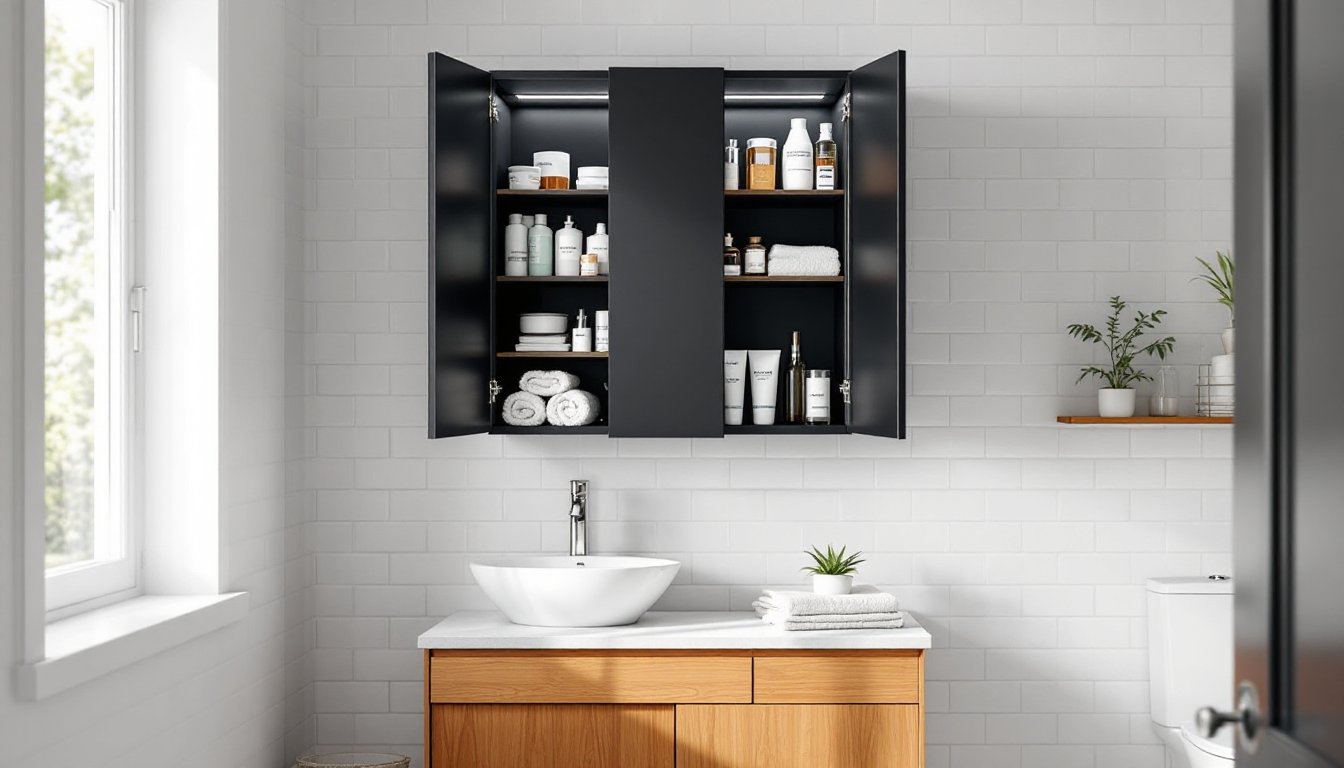
A cluttered bathroom counter isn’t just annoying, it eats away at your morning routine. Whether you’re dealing with overflow from a small half-bath or struggling to corral cosmetics and medications in a master bath, a well-chosen bath storage cabinet transforms chaos into calm. This guide walks you through the main types of cabinets, how to pick one that fits your space and style, and the practical details about materials, durability, and organization that actually matter when you’re standing in front of options at the store or scrolling through online listings.
Wall-mounted cabinets hug the space above your toilet, sink, or along an open wall. They’re ideal for bathrooms where floor real estate is precious, think small master baths and powder rooms. These cabinets are anchored directly to wall studs, so installation requires locating framing and using lag bolts or heavy-duty wall anchors rated for the cabinet’s load capacity.
The main advantage is they don’t consume floor space, leaving room for a vanity, hamper, or just breathing room. They typically range from 24 to 36 inches wide and 20 to 60 inches tall. An over the toilet storage cabinet is a popular variant that sits atop your existing toilet tank, requiring no wall drilling, just set it in place and level it.
Freestanding cabinets stand on their own, anchored only by gravity and the weight of their contents. A shoe storage bench-style cabinet doubles as seating or a step stool, making it practical for bathrooms where you might need a foothold to reach high shelves. These units offer flexibility: you can move them if you renovate, and installation is as simple as leveling them on the floor.
Freestanding options run the full spectrum from sleek modern towers to vintage-inspired pieces with doors, drawers, and open shelving. They work especially well in master baths with space to spare, but even smaller bathrooms can accommodate a narrow tower cabinet 12 to 18 inches wide. The trade-off is they do consume floor space, so measure your bathroom footprint carefully before committing.
Start by measuring: height from floor to ceiling or to any fixed obstruction, width of available wall or floor space, and depth (don’t forget doors and drawers need clearance to open). Many homeowners overlook ceiling height, a 65-inch tall cabinet needs at least 66 inches of headroom, and you should add 2 to 3 inches for comfort and proportional appearance.
Next, audit what you’re storing. Medications, cosmetics, and hair tools need different shelving than towels or toilet paper. Medications should be stored in a cool, dry place away from moisture and heat, so a cabinet mounted away from the shower or tub works best. If you have kids, consider a cabinet with a lock or one positioned out of easy reach.
Consider traffic flow. In a shared bathroom, a cabinet that blocks the main path or makes door/drawer operation awkward will breed frustration. Wall-mounted cabinets above the toilet rarely cause conflicts, but a freestanding unit in a narrow bathroom might force you to squeeze past it daily. Small bathroom storage solutions show how positioning and size work together in tight spaces.
Bathrooms are humid. That moisture infiltrates cabinets, so material choice directly affects longevity. Solid wood swells and shrinks with humidity unless sealed properly: plywood and MDF (medium-density fiberboard) handle moisture better if they’re finished with quality paint or waterproof sealant. Real Simple and other home organization experts recommend looking for cabinets with moisture-resistant veneer or solid wood treated with polyurethane.
Hardware matters too. Hinges and drawer slides should be stainless steel or coated in rust-resistant finish, not cheap plated steel that corrodes in months. Soft-close hinges add comfort and prevent slamming, extending cabinet life. Check the joinery: cabinets with mortise-and-tenon joints or pocket-hole construction outlast those with staples or simple butt joints.
Ventilation is often overlooked. Cabinets with small vents or gaps allow air circulation, preventing moisture traps inside. If your bathroom lacks a fan or the cabinet sits where steam pools, consider one with intentional gaps or leave the bottom unfinished so air flows underneath.
Price is a clue but not the whole story. A $200 solid-wood cabinet with quality hardware will outlast a $500 particleboard knockoff. For DIY builders, free plans for a tall bathroom cabinet offer a cost-effective middle ground: you control materials (choose quality plywood and finish) and joinery.
Black bathroom storage cabinets bring sophistication and hide water spots and dust better than light finishes. They’re easier to maintain in high-humidity environments. If black feels too bold, dark grays, charcoal, and even navy create similar drama with slightly less visual weight.
Your cabinet should complement your bathroom’s existing fixtures and décor. Modern bathrooms pair well with sleek cabinets in matte black, white, or natural wood with minimalist hardware. Transitional styles accept soft white, gray, or warm wood tones with simple Shaker-style doors. Farmhouse and rustic bathrooms shine with recessed panels, distressed finishes, and hardware with a bronze or oil-rubbed bronze patina.
Frame vs. frameless is another choice. Framed cabinets have a visible wood border around door openings, giving a traditional or transitional look. Frameless cabinets appear more modern and offer slightly more interior space. Both work well in bathrooms: pick whichever suits your style and the rest of your décor. IKEA-based bathroom cabinet hacks demonstrate how simple white or light wood frames can be customized with paint, hardware, and shelving inserts to match almost any style.
Cabinet choice is half the battle: organization inside is the other half. Pull-out shelves and drawers beat fixed shelves because they give full access to items in the back without climbing inside. Adjustable shelves adapt to different item heights, tall bottles don’t need a full shelf of empty space above them.
Use drawer dividers and shelf organizers to separate cosmetics, medications, and tools. Clear containers or labeled bins make it easy to find what you need without unpacking everything. A bathroom storage cabinet works best when every item has a dedicated spot: otherwise, you’ll fall back into clutter mode within weeks.
For medicines and prescriptions, store them in a cool, dark place away from humidity and heat. Never store them in the medicine cabinet directly above the sink, the bathroom’s warmest, most humid spot. A wall-mounted cabinet on the opposite wall or a low-temperature closet shelf is better.
Towel bars or hooks mounted to the cabinet sides, or small pull-down racks inside, keep frequently used items front and center. If your cabinet has doors, use the inside of doors for narrow shelves or adhesive organizers, perfect for hair tools, cleaning supplies, or small bottles that don’t deserve shelf real estate.
