Phone:
(701)814-6992
Physical address:
6296 Donnelly Plaza
Ratkeville, Bahamas.

Phone:
(701)814-6992
Physical address:
6296 Donnelly Plaza
Ratkeville, Bahamas.
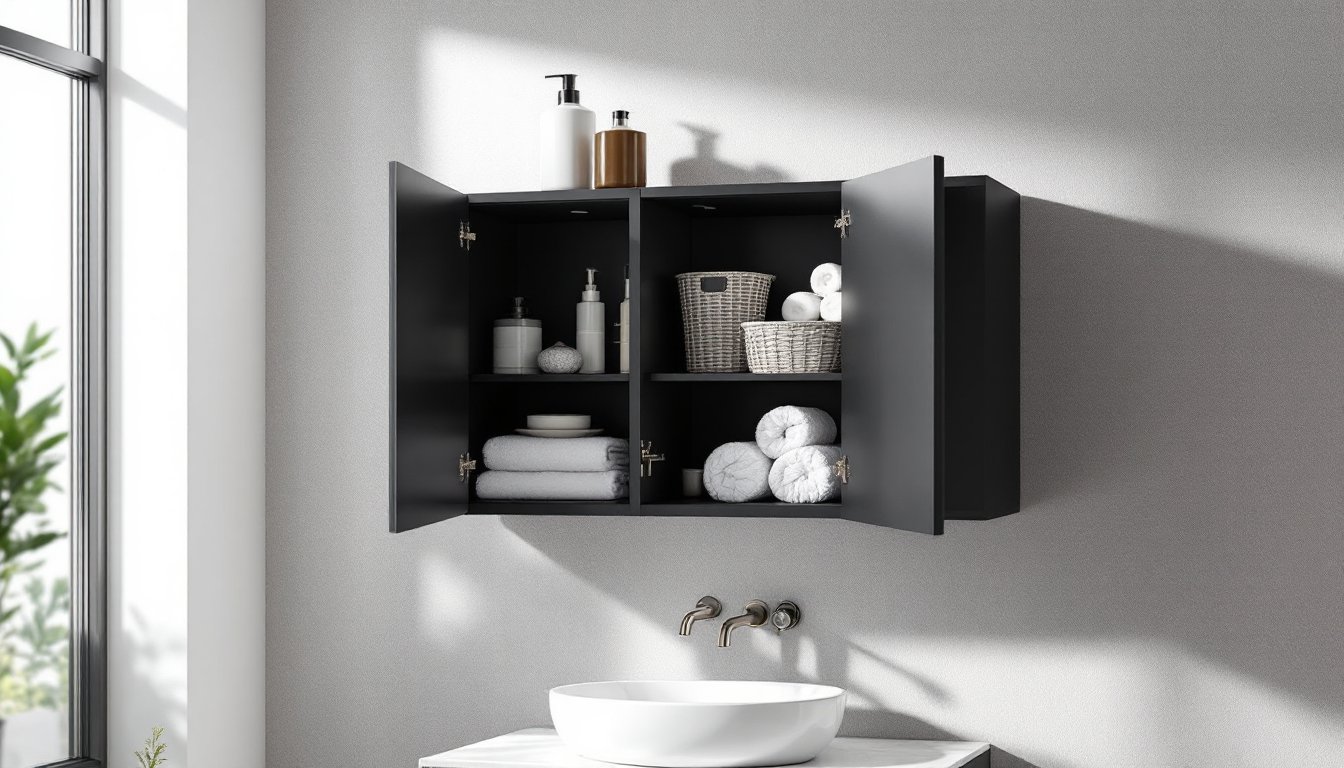
A bathroom cabinet isn’t just about hiding clutter, it’s the backbone of functional bathroom storage. Whether you’re updating a powder room or overhauling the master bath, choosing the right cabinet for your bathroom can make the difference between a cramped, cluttered space and one that feels organized and calm. With so many styles, materials, and installation methods available in 2026, homeowners have more options than ever. This guide breaks down what you need to know to pick a cabinet that fits your space, budget, and lifestyle.
The first decision is where your cabinet lives. Wall-mounted cabinets hang above the toilet, sink, or on empty wall space, freeing up floor area and creating an open, airy feel. They’re ideal for small bathrooms and powder rooms where every inch counts. These are also easier to clean around and work well if you’re renting and want a removable solution.
Vanity cabinets sit on the floor beneath a sink and provide substantially more storage. A double bathroom sink vanity, for example, offers room for two people’s morning routines and plenty of under-sink space for cleaning supplies and personal care items. Vanities are the workhorse of bathroom storage and come in widths from 24 inches (single sink) to 72 inches (double sink) or wider. They require secure installation to wall studs and, if plumbing is involved, careful routing of supply lines and drain pipes.
The choice depends on your actual storage needs. A small bathroom storage cabinet mounted on the wall works fine if you’re mostly storing medications and toiletries. If you need room for hair tools, towels, and bulk supplies, a vanity is the smarter investment. Many homes use both, a vanity for primary storage plus a wall cabinet for additional shelving.
Measure twice, buy once. Start by measuring the wall space where you want your cabinet. Note ceiling height, the distance between wall studs, and proximity to plumbing or electrical outlets. Standard bathroom vanities come in widths of 24, 30, 36, 48, 60, and 72 inches: height is typically 32 to 36 inches. Wall-mounted cabinets vary more widely, from shallow 6-inch-deep shelving to deeper 12-inch units.
For vanity installation, locate the wall studs with a stud finder (a critical tool for secure mounting). Cabinet weight, especially when filled with bottles and supplies, demands fastening directly into studs, not just drywall anchors. If your vanity includes a sink with plumbing, the rough-in rough-in (the water supply and drain lines) must align with the cabinet’s faucet hole and drain opening. Hire a licensed plumber if you’re uncertain about code compliance: local building codes vary, and improper installation can lead to water damage or mold.
Wall-mounted cabinets also need stud fastening. Use 3-inch lag bolts or 2.5-inch wood screws into at least two studs per cabinet to handle the load safely. If studs don’t align with your ideal placement, you’ll need to use toggle bolts or consider adjusting the cabinet position.
Bathrooms are harsh environments. Humidity and temperature swings make material choice critical. Solid wood cabinets (oak, cherry, maple) are beautiful but require protective finishes. Moisture seeps into bare wood, causing swelling, warping, and rot. If you love the look of wood, ensure it has a polyurethane or conversion varnish finish rated for wet areas, not standard furniture polish.
Plywood and engineered wood with waterproof veneer are workhorses. They resist moisture better than solid wood, don’t warp as easily, and cost less. Look for cabinets with moisture-resistant particleboard or Baltic birch plywood cores wrapped in waterproof veneer.
Thermofoil (vinyl-wrapped MDF) and lacquer-finished cabinets are popular in the mid-range. They’re water-resistant, affordable, and easy to clean. The finish can bubble or chip if hardware is loose, so ensure doors and hinges are tight.
Stainless steel and metal cabinets work well in contemporary bathrooms and resist moisture by nature, though they can dent and feel cold. Natural finishes like unfinished wood are not suitable for bathrooms without a robust topcoat. Always check the manufacturer’s warranty for moisture coverage, a cabinet advertised as “bathroom-grade” should explicitly handle humidity and temperature changes. The cabinet in the bathroom you choose will spend years exposed to steam from showers and cleaning products, so don’t cut corners on finish quality.
A beautiful cabinet won’t help if you can’t find your toothbrush. Think vertically and compartmentalize. Inside a bathroom storage cabinet, use adjustable shelves to customize heights for different items, bottles, folded towels, and stacked supplies each need different space. Drawer dividers keep small items (cosmetics, hair clips, medication) from sliding around.
For a double bathroom sink vanity, divide the under-sink space logically: one side for bathroom cleaning supplies, the other for personal hygiene products. The middle section, where plumbing lives, can hold trash or recycling. Use pull-out organizers or baskets so items in the back aren’t lost. Don’t forget door-mounted storage: adhesive shelves or magnetic strips on the inside of cabinet doors add utility without sacrificing interior space.
Keep your cabinet in the bathroom inventory regularly. Expired medicines, dried-up makeup, and half-empty bottles accumulate fast. A quarterly sort-through keeps things functional and prevents odors. Label shelves so family members know where things belong. This simple step cuts clutter and reduces the “Where did you put my deodorant?” battles.
In 2026, bathroom design leans into minimalism and functionality. Clean lines, matte finishes, and neutral tones (white, gray, black) dominate. Black bathroom storage cabinets bring contemporary edge and hide smudges better than polished finishes. Soft-close hinges and brushed metal hardware are standard expectations, not upgrades.
Two-tone vanities, paired legs or frame in one color and cabinet body in another, are having a moment. Vessel sinks (sitting on top rather than mounted within) pair well with pedestal cabinets. Open shelving is trendy for visual lightness, though it demands regular tidying in a bathroom where moisture and dust settle quickly.
If you’re working in a smaller footprint, small bathroom storage solutions often blend functionality with aesthetic appeal. Look at design inspiration from Remodelista and Houzz to see how professionals balance style with storage reality. A cabinet doesn’t have to be boring, modern finishes, rounded edges, and integrated lighting transform it from utility to focal point.
Budget cabinets (under $300) often use thin veneer and lower-grade hinges that loosen after a year or two. They’re not worthless, they work fine for a guest bath or temporary solution, but accept that you may replace them sooner.
Mid-range cabinets ($300–$800) offer solid construction, quality hinges, and reasonable durability. This tier gives the best value for most homeowners. Stock sizes from big-box retailers fall here and often ship quickly.
High-end custom or semi-custom cabinets ($800+) use premium materials, precise joinery, and long-lasting finishes. If you plan to stay in your home 10+ years, the cost-per-year becomes reasonable. Custom options also let you design for awkward spaces, like corner units or under-sloped ceilings.
Don’t just compare sticker price. A cabinet that needs refinishing in five years costs more in labor than a slightly pricier one that lasts 15. Check reviews for longevity and warranty terms. Some manufacturers guarantee hinges and finishes for 5–10 years: others offer one-year limited coverage. A cabinet that uses corner storage principles or smart space design can also stretch your budget, maximizing usable square footage without upsizing. Factor in installation too: professional fitting of a vanity with plumbing runs $200–$600 depending on complexity, but prevents costly water damage mistakes.
