Phone:
(701)814-6992
Physical address:
6296 Donnelly Plaza
Ratkeville, Bahamas.

Phone:
(701)814-6992
Physical address:
6296 Donnelly Plaza
Ratkeville, Bahamas.
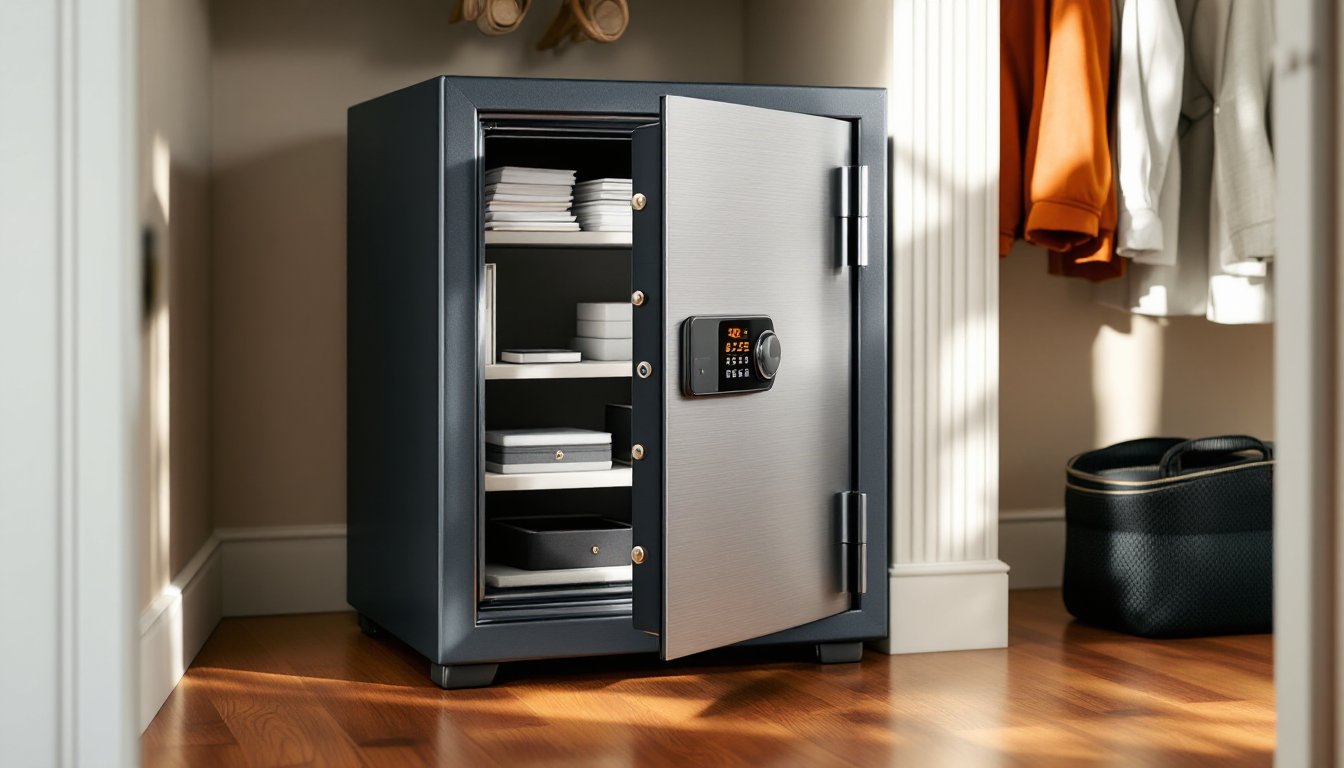
Breaking into a home takes less than 60 seconds for an experienced burglar. What happens next depends on how well homeowners have protected their valuables. Whether it’s jewelry, documents, firearms, or backup hard drives, secure storage isn’t just about preventing theft, it’s about protecting what can’t be replaced. From fire-resistant safes to DIY hidden compartments, the right storage solution balances accessibility with protection. This guide covers the most effective ways to secure valuables at home, including options homeowners can build themselves.
The average home burglary lasts between eight and twelve minutes. Thieves target master bedrooms, home offices, and obvious hiding spots like dresser drawers or nightstands. Without secure storage, important items, passports, deeds, cash, heirlooms, become easy targets.
Beyond theft, fire poses a significant risk. Paper documents ignite at 451°F, and most house fires exceed 1,000°F within minutes. A fire-resistant safe rated for at least one hour can mean the difference between losing everything and salvaging critical records.
Insurance doesn’t cover everything, either. Standard homeowner policies cap coverage for jewelry, collectibles, and cash, sometimes as low as $1,500 total. Secure storage with documented inventories (photos, serial numbers, appraisals) strengthens insurance claims and can justify riders for high-value items.
There’s also privacy. Medical records, tax returns, and personal data stored at home need protection from identity theft. Even if a burglar doesn’t take physical items, a quick photo of a Social Security card can lead to years of financial damage.
Not all secure storage is created equal. The right choice depends on what needs protection, the level of threat, and how often access is required.
Fire-resistant safes use gypsum or concrete-based insulation to protect contents from heat. Look for a UL Class 350 rating, which keeps internal temperatures below 350°F for at least one hour, enough to protect paper, photos, and most electronics. Class 125 ratings are better for digital media like USB drives or external hard drives.
Weight matters. A quality fire safe weighs at least 100–150 pounds empty. Lighter models can be carried out during a break-in. If the safe weighs less than 200 pounds, bolt it to the floor using lag bolts into floor joists (not just subfloor). Use at least four bolts, each ½-inch diameter or larger.
Burglar-resistant safes prioritize pry resistance and lock security over fire protection. Key features include:
For firearms, a gun safe must meet specific standards. Check local laws, many jurisdictions require locks that prevent unauthorized access, especially if children are in the home. Look for safes meeting California DOJ standards, which include steel thickness minimums and anti-pry features.
Wall safes fit between studs (14.5 inches wide for standard 16-inch on-center framing) and hide behind artwork or mirrors. They’re convenient but easier to remove than floor safes. If installing one, place it in a low-traffic area, not behind the bed or in the master closet, which are the first places burglars check.
Hidden storage relies on obscurity rather than hardened security. It works best for secondary-level protection, things a casual thief won’t find in a quick search.
False-bottom drawers add a concealed compartment beneath the visible drawer bottom. Build one by installing a second bottom panel ¾-inch above the actual drawer floor, using small cleats glued to the drawer sides. Access it by lifting the false bottom or cutting a finger hole in one corner.
Hollow-core door safes take advantage of the empty space inside interior doors. Remove the door, cut an access panel near the top or middle rail, and install a hinged cover secured with a magnetic catch. This works for cash, keys, or documents, not heavy items.
In-floor stash boxes can be built into crawl spaces or between joists in unfinished basements. Cut out a section of subfloor between two joists, build a box from ¾-inch plywood that fits snugly, and hinge the subfloor cutout as a lid. Cover it with a rug or storage bin. This won’t stop a determined search, but it’s invisible during a quick sweep.
Electrical outlet safes are commercially available hollow boxes that mount in the wall and look like a standard duplex outlet. They’re shallow but work for small valuables. Don’t place them in obvious spots, use secondary rooms, not the master bedroom.
Hidden storage is not a substitute for a real safe. Many homeowners secure a good secure storage solution for primary valuables and use concealment for backups or less critical items.
Start by listing what needs protection and why. Different threats require different solutions.
Documents and cash: A fire-resistant safe with at least a one-hour UL Class 350 rating. Size depends on volume, but a 0.5 to 1.2 cubic foot model works for most households. Expect to pay $100–$400 depending on fire rating and lock type.
Jewelry and small heirlooms: A compact burglar-resistant safe with a digital lock. Fire resistance is secondary unless the items are irreplaceable. Models with RSC (Residential Security Container) ratings resist prying for at least five minutes, not impenetrable, but enough to deter most smash-and-grab attempts.
Firearms: A dedicated gun safe is non-negotiable. It must prevent unauthorized access and, in many states, meet specific locking standards. For long guns, budget for at least a 12-gun capacity safe even if you own fewer firearms, interior dimensions are tighter than advertised, especially with optics. Bolt it to studs or floor joists. Don’t rely on drywall anchors.
Digital media and backups: Use a UL Class 125 fire-safe or a waterproof, fireproof document bag stored inside a larger safe. Hard drives and USB sticks fail at lower temperatures than paper. For sensitive data, consider offsite or cloud-based backups with proper encryption, reputable providers use advanced encryption protocols for data protection.
Outdoor or garage storage: Use weatherproof lockboxes or tool chests with reinforced hasps and quality padlocks (look for hardened steel shackles and shrouded designs that resist bolt cutters). Secure them with lag bolts or chain them to a permanent structure. Garages are easy entry points, don’t store high-value items there without additional security.
Consider access frequency. Daily-use items (carry permits, medications, a defensive firearm) need quick access, a biometric lock or a mechanical pushbutton lock works better than a key or dial. Rarely accessed items (estate documents, backup titles) can go in a slower-access safe stored in a less convenient spot.
Think about who else needs access. If multiple family members need entry, choose a safe with multiple user codes or a bypass key stored separately. Document the combination and store it offsite (bank safe deposit box, trusted relative) in case of emergency.
Not every secure storage solution requires a commercial safe. With basic carpentry skills and the right materials, homeowners can build surprisingly effective hidden compartments.
Between-stud wall vault: This project fits between two studs in an interior wall. You’ll need:
Steps:
This project won’t stop a sledgehammer, but it’s invisible during a quick search. Total cost: $30–$50.
Floor-mounted lockbox in crawl space: If you have an accessible crawl space, build a reinforced box and bolt it to the floor joists from below.
Access it through a hinged panel in the floor (cut along joist lines to maintain structural integrity). Cover the panel with a rug or furniture. Cost: $40–$80 depending on materials.
Bookshelf hidden compartment: A shallow box behind a row of books can hide small valuables. Build a ¾-inch plywood box that sits behind a false row of book spines glued to a board. The board slides or hinges out for access. Works best on deep shelves (10+ inches). Cost: $20–$30.
Safety note: Any DIY storage for firearms must prevent unauthorized access and comply with local laws. If children are present, a keyed or combination lock is required. When in doubt, use a commercial gun safe.
For those interested in connected systems, modern smart home devices can integrate alarms or cameras near secure storage areas, though relying solely on tech without physical security is risky. Similarly, home automation systems are increasingly incorporating security alerts, but physical locks remain the first line of defense.
PPE for DIY projects: Wear safety glasses when cutting, work gloves when handling sheet metal, and a dust mask when sanding or working in crawl spaces. Use a stud finder to avoid cutting into electrical or plumbing runs hidden in walls.
Secure storage is about layers. A good safe stops most threats: hidden compartments add a second line of defense. Whether buying a commercial product or building a concealed vault, the key is matching the solution to the threat and the item’s value. Start with the highest-risk items, documents, jewelry, firearms, and work down from there. And remember: the best safe is the one that’s properly installed and actually used.
