Phone:
(701)814-6992
Physical address:
6296 Donnelly Plaza
Ratkeville, Bahamas.

Phone:
(701)814-6992
Physical address:
6296 Donnelly Plaza
Ratkeville, Bahamas.
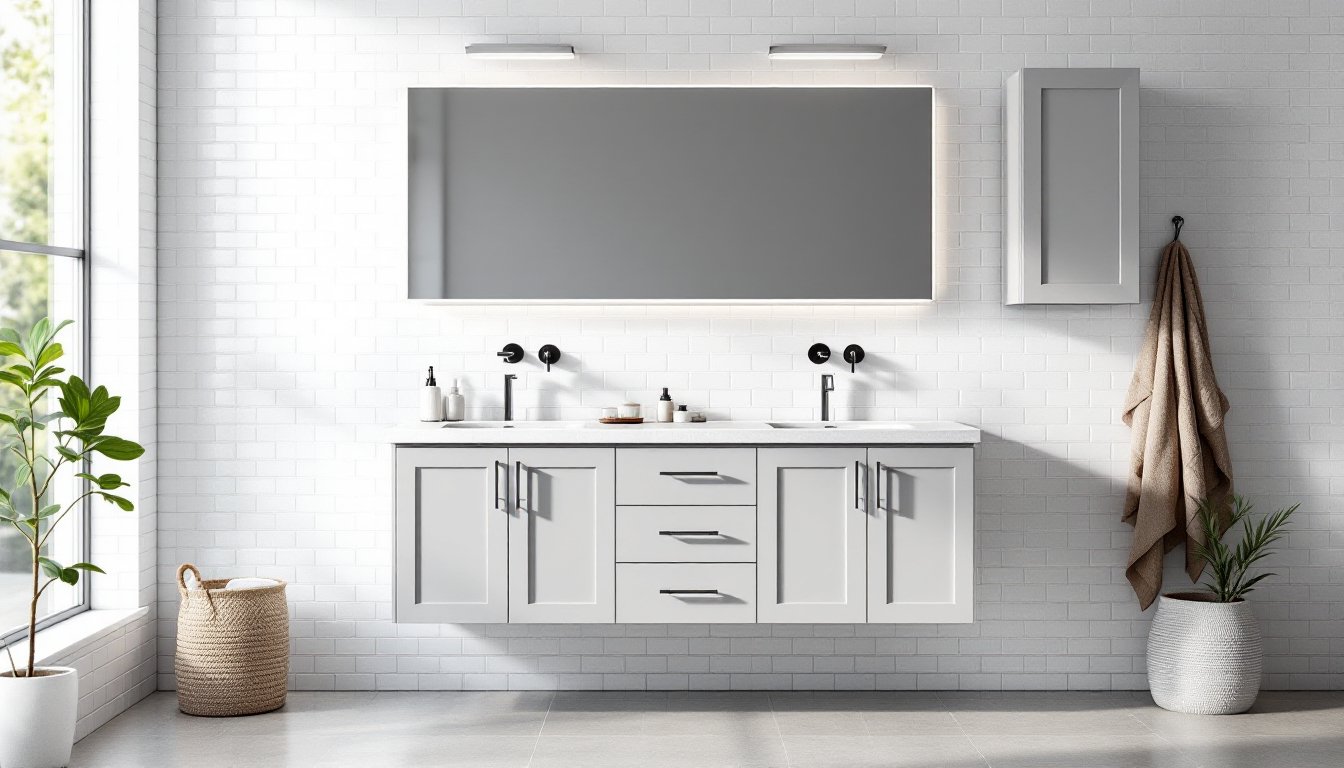
A cabinet in the bathroom is far more than a place to stash towels and toiletries. It’s the backbone of an organized, functional space, especially when counterspace is tight or clutter tends to creep in. Whether you’re dealing with a powder room the size of a closet or a master bath that needs better organization, the right bathroom storage cabinet can transform how you use and enjoy the space. This guide walks you through the types of cabinets available, how to choose materials and styles that fit your home, and exactly what’s involved in installing one yourself. No contractor jargon, no Pinterest fluff, just practical advice from someone who’s done this before.
Most bathrooms suffer from the same problem: not enough places to keep things organized. Bottles, grooming tools, medications, linens, and cleaning supplies pile up on counters, under the sink, or crammed into medicine cabinet shelves that were clearly designed in 1987.
A well-placed bathroom storage cabinet solves this by giving you a dedicated, accessible home for everyday items. More importantly, it keeps cleaning products and medications out of sight and secured, which matters if you have kids or pets in the house. Vertical storage is crucial in smaller bathrooms, a floor-standing vanity or wall-mounted cabinet uses space efficiently without eating into the limited square footage.
Beyond function, the right cabinet style lifts the entire aesthetic of your bathroom. A dated, mismatched setup screams neglect: a cohesive bathroom storage solution signals that you’ve thought through the space. Homeowners often overlook this detail until they’re standing in their newly renovated bathroom wondering why it feels incomplete without the right cabinetry.
A vanity cabinet combines a sink, countertop, and storage in one unit. Standard vanity widths are 24, 30, 36, 48, and 60 inches: depths are typically 18–22 inches. The interior often features one or two doors with shelving, plus a middle section that might hold a drawer or open shelf.
Double bathroom sink vanities work well in master baths where two people get ready simultaneously. A 60-inch dual-sink unit gives each person their own space and plumbing connection. These cabinets run anywhere from $300 to over $2,000 depending on material and finish.
When choosing a vanity cabinet, measure your rough-in plumbing location and confirm that the cabinet’s drain opening aligns. Standard height is 30–32 inches from floor to countertop: taller models (36 inches) are easier on the back if you’re above average height. Don’t forget to account for the faucet and any backsplash clearance above.
Wall-mounted cabinets take zero floor space, making them ideal for small bathrooms or powder rooms. They’re typically 24–36 inches wide and 20–30 inches tall. Installation requires solid wall backing, either studs or blocking behind drywall. Never hang a cabinet on drywall anchors alone: they’ll eventually pull free under daily use.
A traditional medicine cabinet recess into the wall cavity between studs (usually 16 inches wide). If studs don’t align where you want the cabinet, you can surface-mount one instead. Medicine cabinets offer 10–15 cubic feet of storage in a 24-inch-wide unit, which works fine for small households but feels cramped in a busy family bathroom.
Bath storage cabinets that sit open-shelf style or with glass doors add visual interest and feel less bulky than solid doors. They’re easier to access and look good in modern, minimalist, or transitional designs, just be prepared to keep them neat, since everything shows.
Material choice affects durability, maintenance, and cost. Solid wood (oak, birch, maple) is durable and looks classic, but it’s moisture-sensitive and needs proper sealing in humid bathrooms. Plywood with a veneer offers a middle ground, solid construction with a finished appearance, and costs less than solid wood. MDF (medium-density fiberboard) is budget-friendly but swells quickly if exposed to moisture: reserve it for vanities that sit above the floor and away from splashing.
Finish matters as much as the base material. Bathroom moisture wreaks havoc on paint and stain. High-gloss or semi-gloss lacquer resists humidity better than flat finishes. If you want a painted look, use bathroom-grade paint with mildewcide and ensure proper ventilation during and after installation. Consider a polyurethane topcoat for extra moisture protection.
Style choices range from traditional raised-panel doors and ornate hardware to sleek flat-panel designs with minimalist handles. Shaker-style cabinets (simple frame-and-panel construction) work in nearly any decor and won’t feel dated in five years. White and light gray are timeless: darker finishes like charcoal or espresso create drama and hide water spots, though they show dust more easily.
Really consider your bathroom’s existing finishes. If your tile is warm and earthy, cool gray cabinetry might clash. Pull paint samples and cabinet finish swatches in natural light before committing. A bathroom storage cabinet in black or deep tones can anchor a modern design, while traditional spaces often lean toward natural wood or white.
Preparing for Installation
Measure twice (actually, measure three times). Determine where plumbing lines, electrical outlets, and ductwork run. Use a stud finder to locate framing, walls near bathrooms are often braced, but don’t assume. Confirm that your subfloor is level: if not, shim the vanity cabinet to compensate.
For wall-mounted cabinets, locate and mark studs using a stud finder. Mount cabinets at least 12 inches above the countertop or 15 inches if you plan to add a shelf. Use lag bolts or heavy-duty wood screws into studs, never rely on drywall anchors alone for bathroom storage.
Plumbing Integration
If installing a new vanity with a sink, you’ll need to connect supply lines (hot and cold water) and a drain line. This usually requires shutting off the water main, disconnecting the old unit, and installing new shutoff valves and trap assembly. Leaks are common if connections aren’t hand-tight first, then wrench-tight (don’t overtighten, you’ll crack plastic fittings). If plumbing intimidates you, hire a licensed plumber for the final hookup. Many codes require licensed work anyway.
Keeping It Lasting
Moisture is the enemy. Ventilation is non-negotiable, run your bathroom exhaust fan during and 20 minutes after every shower. Without adequate airflow, cabinet doors swell, finishes cloud, and hardware rusts. Wipe down the cabinet exterior monthly with a dry cloth to prevent water buildup.
Inside, use shelf liners to contain spills. Check under the sink quarterly for leaks, a slow drip from a water line or a puddle from condensation can warp wood cabinets. Store cleaning chemicals separately in sealed containers: harsh fumes can degrade finishes. For maintenance beyond that, smart solutions to maximize every inch of space often involve decluttering twice a year, toss expired medications, dried-up bottles, and items you haven’t used in a year.
Hardware and Finish Touch-ups
Use cabinet hardware rated for bathroom use, stainless steel or coated finishes resist corrosion better than bare brass or iron. If hinges squeak or handles loosen, tighten screws with the appropriate wrench. If a finish chips, touch it up with furniture markers or wood stain matched to the cabinet color: large damage may require professional refinishing.
For inspiration on contemporary styles and layouts, resources like Remodelista showcase real bathroom remodels, and This Old House offers video tutorials on cabinet installation and plumbing connections. Corner storage solutions share many of the same space-planning principles used in tight bathroom layouts.
A bathroom cabinet in the right style and material transforms a cluttered, cramped space into an organized refuge. Whether you opt for a traditional double bathroom sink vanity, a wall-mounted medicine cabinet, or a stylish bath storage cabinet, the key is choosing something that fits both your plumbing constraints and your design vision. Proper installation, including secure wall mounting, correct plumbing connections, and attention to moisture control, ensures your cabinet works hard for years. Start with honest measurements, pick finishes that suit your home, and don’t skip ventilation. The result is a bathroom that feels intentional, functional, and genuinely yours.
