Phone:
(701)814-6992
Physical address:
6296 Donnelly Plaza
Ratkeville, Bahamas.

Phone:
(701)814-6992
Physical address:
6296 Donnelly Plaza
Ratkeville, Bahamas.
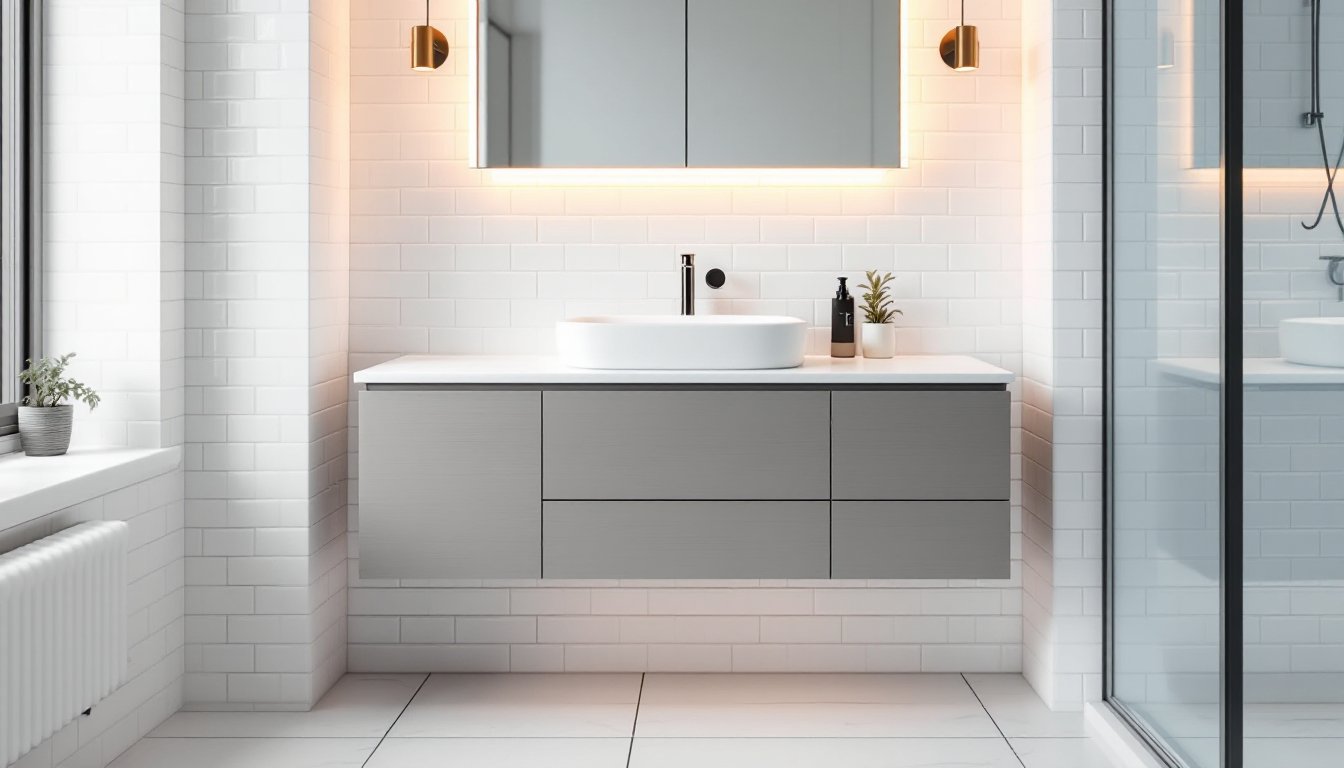
Your bathroom sink and vanity cupboard are the workhorses of daily life, they hold everything from toothpaste to towels, and they take the splash and spray of water every single day. Getting them right means choosing pieces that work together functionally, fit your space, and last through years of use. Whether you’re renovating a whole bathroom or just updating fixtures, understanding sink styles, cupboard configurations, and installation requirements will help you make choices that balance style with practicality. This guide walks through the options, the installation realities, and what matters most for long-term performance in your bathroom storage and sink setup.
The sink you pick shapes how the vanity works and how the whole space feels. A drop-in (self-rimming) sink is the easiest install, it sits on top of the counter with a rim that rests on the vanity surface, so it works with most existing vanities. Simple to replace and budget-friendly, but the rim can catch debris and cleaning around it takes extra care.
Undermount sinks mount beneath the countertop, letting you wipe water straight into the basin with no rim in the way. The trade-off: they require a solid-surface or stone countertop (quartz, granite, solid-surface composite) because they put stress on the countertop edge, laminate or thin vanity tops won’t support the weight. Installation is more involved, requiring proper support brackets and waterproofing.
A vessel sink sits in a bowl above the counter, creating a statement look. Sounds sleek, but it demands a taller faucet (sometimes 8–10 inches above the bowl), and you’ll need to plan counter height carefully so you’re not leaning down awkwardly to wash your hands. Splashing is also more common. Integrated sinks, where the sink and countertop are molded as one piece, eliminate seams and are easy to clean. They’re pricey but durable and pair well with high-end vanities.
Pedestal and wall-hung sinks save floor space, but they offer zero storage beneath them. If storage matters, skip these unless you’re adding a separate cabinet or shelving alongside. For most bathrooms, a drop-in or undermount paired with a vanity cupboard gives you the best balance of function, ease of install, and storage.
Vanity cupboards come in two main camps: freestanding and wall-mounted (floating). Freestanding vanities sit on a toe kick or legs, giving you traditional storage in a range of widths from about 18 inches to 72 inches. They’re straightforward to install, just level, secure to studs, and hook up plumbing. Wall-mounted vanities hang from the wall studs above the floor, creating the illusion of more space and making the bathroom feel larger. They’re trendy and practical for smaller rooms, but installation requires finding studs and ensuring the cabinet is anchored securely enough to handle daily use and wet conditions.
Inside, configurations vary. Some vanities have a single door covering all the storage, others have drawers on one side and a cabinet on the other. Pull-out trays, U-shaped drawers that navigate around plumbing, and open shelves are common add-ons. Standard depths run 16–22 inches, heights 32–36 inches (comfort height sits closer to 36 inches, which reduces back strain). Width depends on your space, but 24–30 inches is common for single-sink setups.
Small bathrooms demand strategy. Wall-mounted vanities create breathing room and make the floor visible. Pair them with a tall wall cabinet beside the mirror or above the toilet, these eat vertical space while keeping counters clear. Inside drawers, use organizers and dividers to corral small items like hair clips, medications, and travel-size products. Pull-out sliding trays make reaching the back of deep cabinets easier. A mirrored medicine cabinet recessed into the wall gives shallow storage for daily items without eating floor space. The trick is layering storage, cabinets, shelves, and small organizers, so everything has a home and nothing spills onto the countertop. Even in a compact bathroom, thoughtful bathroom storage solutions can handle towels, toiletries, and cleaning supplies if you use vertical space and drawer dividers smartly.
Before you buy a vanity or sink, measure twice. Find studs in your wall using a stud finder, verify where plumbing rough-ins are located (hot and cold supply lines, drain), and confirm electrical outlets are where you need them. These fixed points will determine what size and type of vanity fits your space. Check local code for clearance around the toilet, typically 15 inches from the toilet center to a wall or cabinet, and confirm your vanity door or drawers can open without hitting the toilet or wall.
When installing a freestanding or wall-mounted vanity, level it first using a 2-foot level, shimming underneath or adjusting wall brackets as needed. Secure it to studs with appropriate fasteners (a floating vanity takes significant load). Then install the countertop, sealing any gaps between the top and wall with silicone caulk. Apply caulk around the sink perimeter, where the sink meets the countertop or cabinet, to prevent water from seeping underneath. For undermount sinks, the contractor or you must seal the underside seams carefully: gaps here lead to water damage behind the vanity.
If the existing plumbing doesn’t line up, you may need to reroute supply lines or the drain, this requires shutting off water, often cutting into walls, and should be done by a licensed plumber in many jurisdictions. Don’t assume you can DIY this unless you’re experienced: mistakes cause leaks and water damage. Similarly, electrical work for new outlets or lighting should follow your local building codes and may require a permit and licensed electrician.
Modern bathroom sinks and vanities lean toward floating (wall-mounted) designs with slim profiles and integrated or vessel sinks. Countertops are getting thinner, quartz and solid-surface materials allow 1.5-inch-thick tops instead of the chunky 2.5-inch granite of the past, creating a sleeker look. Color palettes favor neutral tones: crisp whites, soft grays, natural oak, walnut, and blended tones. Matte finishes on cabinets are replacing high-gloss, as they hide water spots and feel less clinical.
Hardware has shifted toward black or brushed-metal handles and knobs, stainless steel, matte black, and oil-rubbed bronze are standard choices. These pair well with both light and dark cabinetry and hide fingerprints better than chrome or polished brass. Some designs emphasize open shelving paired with closed storage, creating visual lightness. Research on platforms like Homify and Remodelista’s bathroom cabinet archives shows that mixed materials, pairing wood with tile, marble with wood, are popular. The takeaway: your bathroom sink and vanity cupboard should reflect your personal taste while staying grounded in materials that withstand moisture and daily use.
The best-looking vanity fails if it can’t handle moisture. Choose materials wisely: solid wood should be well-sealed with a moisture-resistant finish, plywood or particleboard should be veneered and sealed, and avoid cheap MDF in bathrooms, it swells when wet. PVC and melamine are budget options that resist moisture better than wood, though they feel less luxurious. Stone and quartz countertops are durable but require periodic resealing (check the manufacturer, usually every 1–3 years for natural stone).
Daily maintenance matters. Wipe up standing water at seams and joints: don’t let water pool on countertops. Use non-abrasive cleaners, harsh scrubbers scratch finishes and can damage caulk. Inspect caulk around the sink and backsplash annually: if it’s cracking or pulling away, remove the old caulk with a caulk removal tool and re-seal with a mold-resistant silicone caulk. Check supply line hoses every couple of years for bulges or leaks. Most failures come from water sitting in joints or behind the vanity, not from normal use.
If you’ve got a quality vanity in moisture-resistant material and you keep water from pooling, it’ll last 15–20 years. Cheap, poorly sealed vanities might fail in 5–7 years. The upfront investment in better bathroom bath storage and a durable sink setup pays off through durability and fewer headaches down the road. Consult Family Handyman for step-by-step guidance on caulking, sealing, and maintaining bathroom fixtures if you’re tackling repairs yourself.
Selecting a sink style and vanity cupboard that work together, and fit your space, requires checking plumbing, studs, and clearances before you buy. Choose moisture-resistant materials, install and seal everything properly, and maintain caulk and seams to keep water out of places it shouldn’t be. When you get these details right, a well-chosen bathroom sink and vanity cupboard become reliable, functional pieces that serve your family for years.
