Phone:
(701)814-6992
Physical address:
6296 Donnelly Plaza
Ratkeville, Bahamas.

Phone:
(701)814-6992
Physical address:
6296 Donnelly Plaza
Ratkeville, Bahamas.
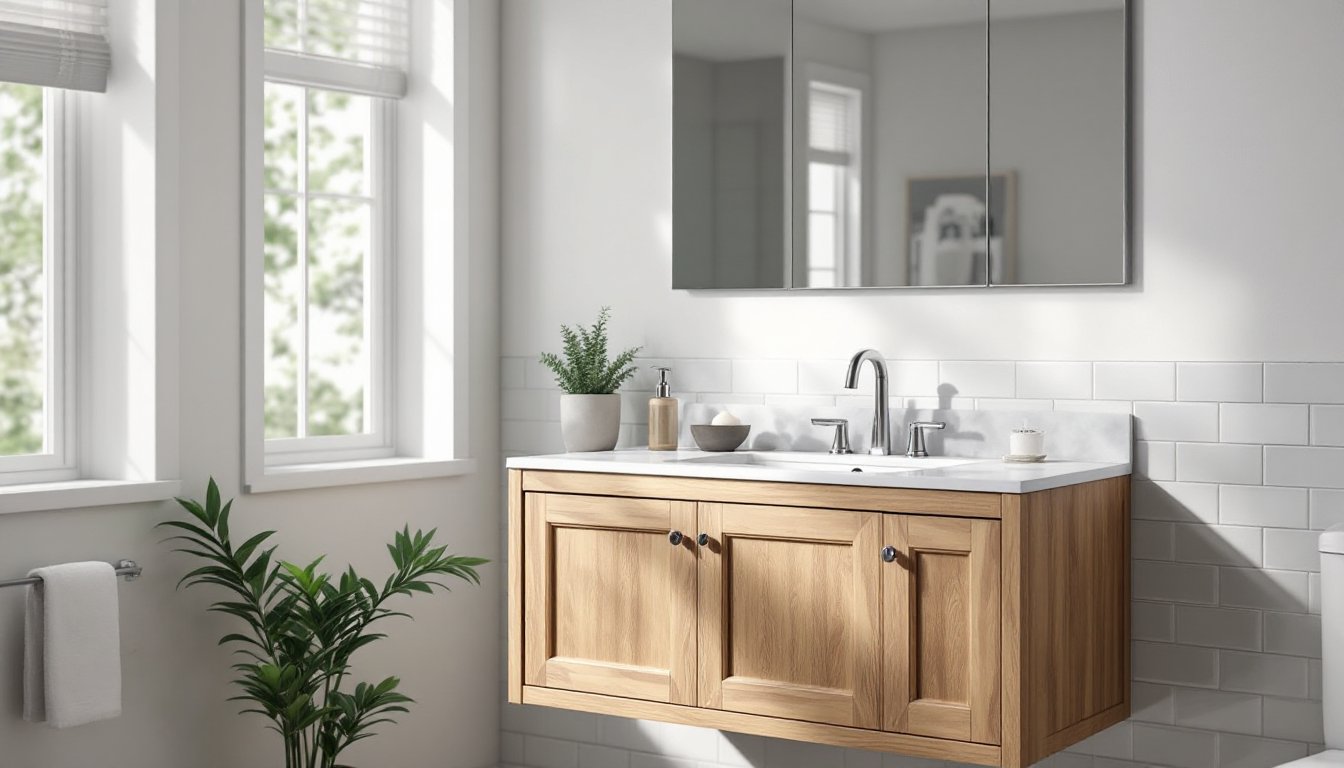
A bathroom sink vanity isn’t just where you brush your teeth, it’s the workhorse of your morning routine and a focal point of your entire bathroom design. Whether you’re renovating a full master bath or updating a powder room, selecting the right sink vanity can transform both function and aesthetics. The market offers everything from sleek modern designs to traditional styles, with options in wood, engineered materials, and stone. This guide walks you through the essential considerations: styles, sizing, materials, installation difficulty, storage needs, and long-term maintenance. By the end, you’ll know exactly what to look for when choosing a bathroom sink vanity that fits your space, budget, and lifestyle.
Sink vanity styles fall into a few broad camps, each with its own look and practical trade-offs. Floating vanities mount directly to the wall, creating an airy, open-floor feel and making it easier to clean underneath. They work especially well in small bathrooms because they don’t block sightlines. But, floating designs require solid wall framing (typically studs on 16-inch centers) and support brackets rated for the vanity’s weight plus the sink and countertop.
Pedestal sinks have a sculptural, classic appeal and take up almost no floor space, great for tiny bathrooms. The downside? No storage underneath, so you’ll need cabinet space elsewhere. Vanity cabinets with undercounter sinks offer the storage you’re after, with the sink sitting in the countertop. These come in 24-, 30-, 36-, 48-, and 60-inch widths, though 36 and 48 inches are most common in residential bathrooms.
Wall-mounted cabinets (sometimes called hung vanities) provide mid-range storage and a contemporary look. They’re easier to install than floating models if you’re using pre-fabricated units, though you’ll still need secure wall anchoring. Materials range from solid wood and plywood to medium-density fiberboard (MDF) with veneer or laminate finishes. Solid wood, typically oak, maple, or pine, looks premium and lasts decades with care, but costs more upfront and needs sealing in humid bathrooms. MDF and engineered veneer options cost less and resist moisture reasonably well if sealed properly, but don’t repair as easily if dinged or water-damaged.
For countertop surfaces, porcelain and ceramic are budget-friendly and durable, though they can chip with heavy impact. Quartz and solid surface materials (like Corian) offer flexibility in design and are highly stain-resistant. Natural stone, marble, granite, slate, commands premium pricing and requires regular sealing: it’s beautiful but not ideal for kids’ bathrooms where spill-and-splash is inevitable.
Before you fall in love with a design, measure your bathroom carefully. Standard bathroom vanities run 30 to 48 inches wide: a 36-inch sink vanity cabinet fits most half-baths and primary bathrooms without eating the whole room. If you have a larger master bath, a 48- or 60-inch unit (double-sink vanities) might be worth the investment for household convenience. Measure your wall space between the toilet and the door frame, accounting for door swing. You’ll need at least 18 inches of clear space on either side of the vanity cabinet for movement and access.
Depth matters too: standard vanities are 20-22 inches deep, but some floating models run 18 inches to save space. Check your plumbing rough-in (the locations where supply and drain lines emerge from the wall). Most standard vanities assume the drain is centered and supply lines are behind the center-back of the cabinet. If your existing rough-in doesn’t match the new bath sink vanity dimensions, you’ll need to reroute supply lines (typically PEX or copper) and the drain line, which usually means opening walls, a task for a plumber or experienced DIYer. Also measure countertop height: standard finished height is 32-36 inches from floor to countertop surface, though ADA-compliant vanities sit lower at 28-34 inches. Comfort height vanities (36-42 inches) suit taller users and reduce bending strain.
Installing a pre-made sink vanity unit is intermediate-level DIY, not beginner. Wall-mounted and floating vanities demand precision leveling and secure fastening into studs: a wobbly vanity filled with water weight can pull away from the wall or crack at mounting points. If your bathroom has drywall, you’ll likely need to cut into it to access studs, patch afterward, and prime/paint. Expect the project to take a full day if you’re comfortable with tools and plumbing basics.
Supply line connections are straightforward: turn off water at the main shutoff, unscrew compression fittings, and connect new flex hoses or PEX tubing to the hot and cold inlet valves below the sink. Drain connections are similar, the P-trap screws together by hand, though you’ll want an adjustable wrench to tighten it. Check for leaks before closing up walls. If your rough-in doesn’t match the new vanity, or if you’re rerouting drainage to meet code (modern drains need proper pitch and venting), hire a plumber. Bathroom plumbing falls under the International Plumbing Code (IPC) in most jurisdictions, and unpermitted work can affect resale and insurance.
For solid surface countertops and stone, installation requires specialized tools and techniques (edge shaping, seam gluing). Laminate counters can sometimes be cut and fitted by a handy DIYer, but mistakes are hard to undo. Most homeowners hire countertop fabricators for this step. If you’re doing a full vanity swap, budget 4-8 hours for removal of the old unit (water damage, rot, or brittle caulk can slow you down), plumbing disconnects, and disposal.
The primary advantage of a sink vanity cabinet over a pedestal sink is storage. A typical 36-inch vanity cabinet offers one or two doors and a drawer or two, providing roughly 4-6 cubic feet of enclosed storage. That’s room for cleaning supplies, extra toilet paper, hair tools, and toiletries without cluttering the countertop. Soft-close hinges and drawer slides cost more but prevent finger-pinching and reduce wear over time: they’re worth it in a household with kids.
Internal organization varies by unit. Some vanities include a central divider and shelves: others offer just open space. Add-on organizers, pull-out trays, drawer dividers, under-sink wire shelving, maximize the footprint without retrofitting. If you’re storing cleaning chemicals, ensure good ventilation and keep them away from kids’ reach. A small bathroom storage solution often depends on efficient use of vertical space above the vanity too: wall-mounted shelves or cabinets above the sink can double your storage without eating floor space.
Double-sink vanities (48-60 inches) provide storage benefits in a two-person household, though they cost significantly more and may overpower a small master bath. If you share a bathroom, consider a single-sink vanity with deeper drawers and add open shelving nearby instead. A black bathroom storage cabinet next to a lighter-colored vanity can create visual balance while extending functionality without a second sink.
A quality sink vanity cabinet can last 15-20+ years with care, but moisture, daily humidity, and spill-and-splash take a toll. Wood vanities need sealing, apply a water-resistant finish or varnish to the exterior, edges, and exposed plywood. Check seals annually and reapply if you notice water beading has diminished. MDF and engineered veneer are more forgiving: they resist moisture better out of the box, but avoid soaking the interior if a pipe leaks.
Countertop care depends on material. Laminate resists staining well but can peel at edges if water seeps in: caulk seams with silicone, not acrylic, so moisture won’t wick underneath. Quartz and engineered solid surface rarely stain and are scratch-resistant, but avoid excessive heat near them (hot hair tools, hot water spills). Natural stone (marble, granite) needs sealing every 12-18 months and immediate cleanup of acidic spills like vinegar or lemon juice, which can etch the surface.
Undersink hardware, faucet, supply hoses, drain trap, should be checked seasonally. Replace plastic supply hoses with braided stainless steel or PEX lines every 5-7 years: old hoses can burst and flood your bathroom. Caulk the junction between the sink rim and countertop with 100% silicone: reapply every 2-3 years or if you see gaps. A cracked vanity cabinet or soft spot in the wood is time to replace or repair: water damage spreads quickly in enclosed spaces. For DIY-friendly repairs, touch up minor dings with wood filler, sand smooth, and refinish with matching stain and sealant. For deep water damage or structural issues (sagging, mold), replacement is safer than repair.
Choosing a bathroom sink vanity boils down to balancing style, size, material durability, and your DIY comfort level. Measure twice, understand your plumbing rough-in, and don’t skip the structural anchoring, these are the details that separate a vanity that lasts 20 years from one that fails in five. Whether you’re drawn to a sleek floating vanity, a traditional cabinet, or a compact pedestal, pick materials suited to your climate and household moisture levels. Installation can be a weekend project if plumbing is straightforward, but complex rerouting or countertop fabrication calls for professionals. Proper sealing and regular maintenance, caulk checks, hose inspections, finish touch-ups, keep your sink vanity bathroom functional and looking fresh for years to come. Start with realistic measurements, set a budget that covers both the vanity and finishing details, and plan your timeline around water shutoffs and any permits your jurisdiction requires.
