Phone:
(701)814-6992
Physical address:
6296 Donnelly Plaza
Ratkeville, Bahamas.

Phone:
(701)814-6992
Physical address:
6296 Donnelly Plaza
Ratkeville, Bahamas.
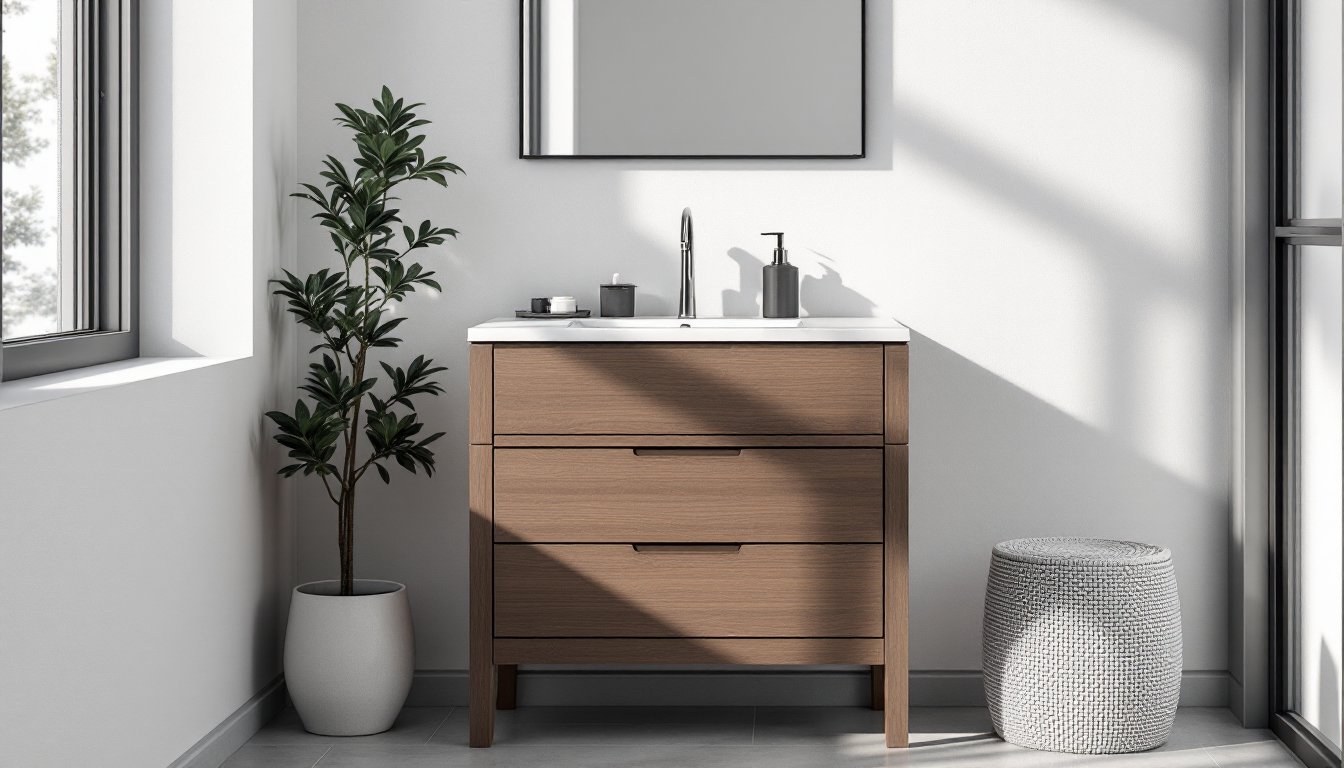
A single bathroom sink cabinet is the backbone of any compact bathroom. Whether you’re working with a powder room, a guest bath, or simply a tight footprint, a well-chosen vanity delivers both function and style without eating up square footage. Unlike double-sink setups, single cabinets are easier to install, more affordable, and perfect for spaces where every inch counts. This guide walks you through selecting the right cabinet, understanding installation basics, and organizing storage to make the most of your bathroom.
A single bathroom sink cabinet, also called a vanity, is a freestanding or wall-mounted unit designed to hold one sink and provide storage beneath. Think of it as the anchor piece in a bathroom: it grounds the room, creates a focal point, and keeps essentials organized and within arm’s reach.
Why does this matter for homeowners? Single-sink vanities are ideal for compact bathrooms, guest baths, and powder rooms where space is premium. They’re also the budget-friendly choice compared to double vanities: you’ll spend less on materials, plumbing, and installation. A smaller cabinet can save floor space and leave more room for movement, critical in bathrooms where traffic flow matters. Beyond function, the right cabinet sets the tone for your entire bathroom‘s look, whether you’re aiming for modern, farmhouse, or traditional aesthetics.
For DIY projects, single cabinets are forgiving. You don’t need advanced carpentry skills or extensive plumbing knowledge to install one, though understanding the basics saves headaches and costly mistakes.
Measure twice before buying. Bathroom vanity widths typically range from 18 inches to 72 inches, though single cabinets usually fall between 24 to 48 inches wide. Depths average 17 to 24 inches, and standard heights sit around 30 to 35 inches (floor to countertop), though floating vanities can vary. These are nominal dimensions: always check the manufacturer’s actual specs.
Measure your bathroom’s available wall space, account for the swing of the door, and ensure you have clearance for sink usage. A cramped vanity installation ruins the space, no matter how pretty the cabinet looks. If you’re replacing an existing vanity, the rough-in plumbing (the supply and drain lines behind the wall) may dictate cabinet dimensions. Moving plumbing is possible but adds cost and complexity, confirm location before purchasing.
Bathroom vanities face constant moisture exposure, so material choice directly impacts longevity. Solid wood and hardwoods like teak resist water better than particle board and are worth the investment if your budget allows. Plywood construction with a moisture-resistant finish is a solid middle ground for DIY builds. Cheaper vanities made from particleboard with laminate veneers deteriorate quickly in humid bathrooms.
Check the finish: a quality varnish, polyurethane, or marine-grade coating protects wood from humidity and water splash. Porcelain, ceramic, and solid surface countertops paired with proper sealing hold up well. Avoid bare wood directly over sink areas: water will eventually warp or rot the cabinet underneath. If building or customizing, include a waterproof backing panel or membrane under the sink basin. Material choice also affects style, concrete offers industrial appeal, while painted wood works for cottage or farmhouse themes. Black bathroom storage cabinets showcase how finish and material work together to define the bathroom’s character.
Before touching tools, confirm your vanity type: freestanding, wall-mounted, or floating. Freestanding cabinets sit on the floor and are easiest to install. Wall-mounted and floating units are anchored directly to studs (not drywall) and require confident carpentry and proper fastening to handle the sink’s weight, usually 50 to 150 pounds when filled with water and items.
For a freestanding single bathroom sink cabinet, the process is straightforward:
Common DIY mistakes: skipping the level check, not securing to studs (a floating 30-inch vanity can tip), and over-tightening plumbing connections. If plumbing is unfamiliar, hire a licensed plumber for supply and drain work, a leak inside the cabinet wall costs far more to fix later. Wall-mounted and floating installations demand structural anchoring into studs: if you’re unsure about stud placement or weight ratings, consult a professional. Small bathroom storage solutions guide you through creative placement strategies for tight spaces.
A single vanity’s real value lies in smart storage. Even a compact 24-inch cabinet holds surprising amounts when organized intentionally.
Use interior drawers for everyday items, toothbrushes, medications, skincare. Drawers keep things visible and accessible. If your vanity doesn’t include drawers, retrofit small drawer organizers or sliding baskets to maximize the open under-sink space. An over the commode bathroom cabinet or wall shelves above the toilet add vertical storage without expanding the footprint, perfect for towels, extra soap, or batteries.
For under-sink storage, install a pull-out shelf or sliding basket to reach items toward the back. A moisture-resistant shelf liner protects wood from the inevitable drips around the P-trap. Keep a small waste basket inside for used items and cleaning supplies in a caddy to stay organized.
Door-mounted shelving maximizes the cabinet doors themselves, adhesive hooks or small shelves hold lotions, hair tools, or cleaning sprays. This approach works well for bathrooms where a second cabinet isn’t an option.
Consider vertical organization above the vanity too. A bathroom storage cabinet hung on the wall above the sink adds significantly more capacity without compromising floor space. Decorative baskets on shelves look polished and hide clutter. Keep daily-use items in the vanity, seasonal products (sunscreen, lip balm) on higher shelves, and cleaning supplies in a dedicated caddy. Labeling drawers prevents the “where did I put that?” frustration, a simple label maker is worth its weight.
For a curated collection of vanity styles and storage inspiration, bathroom vanities from Remodelista showcase how professional designers think about layout and organization.
Choosing and installing a single bathroom sink cabinet doesn’t require advanced skills or a massive budget. Measure carefully, prioritize durability and moisture resistance, secure properly to studs, and organize intelligently. A well-chosen vanity transforms a cramped bathroom into a functional, pleasant space. Whether you’re tackling a DIY installation or coordinating with professionals, the investment pays dividends in daily convenience and bathroom aesthetics. Start with your space constraints, then let style follow, that’s the recipe for a bathroom that works as hard as you do.
