Phone:
(701)814-6992
Physical address:
6296 Donnelly Plaza
Ratkeville, Bahamas.

Phone:
(701)814-6992
Physical address:
6296 Donnelly Plaza
Ratkeville, Bahamas.
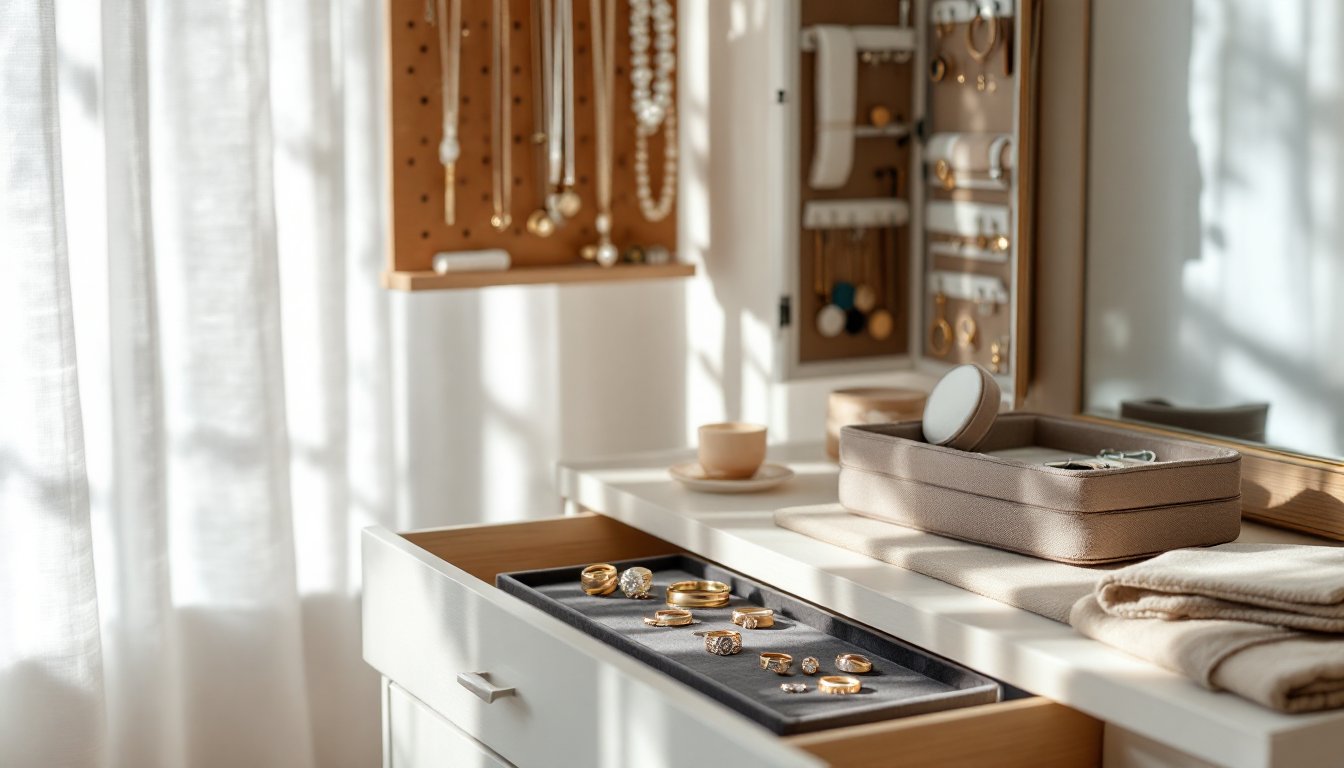
Tangled chains, missing earring backs, and tarnished silver scattered across a dresser top, poor jewelry storage isn’t just frustrating, it’s expensive. Whether someone owns a modest collection or a drawer full of heirlooms, how they store pieces directly affects longevity, accessibility, and daily wear. Most jewelry damage happens at home, not on the wrist. Proper storage prevents scratches, oxidation, and the chaos of hunting for a specific necklace when already running late. From simple drawer dividers to wall-mounted displays and compact travel cases, the right solution depends on collection size, available space, and how often pieces get worn.
Jewelry reacts to its environment. Sterling silver tarnishes when exposed to humidity and sulfur compounds in the air. Gold can scratch against harder metals like platinum. Pearls and opals are porous, they absorb moisture, perfume, and oils, which degrades their luster over time.
Storing pieces in a jumbled pile accelerates wear. Chains tangle and kink, requiring professional repair. Gemstone settings catch on fabric or other jewelry, loosening prongs. Costume jewelry with plated finishes loses its coating when stored in damp bathrooms or left in direct sunlight.
Beyond preservation, organization saves time. A well-sorted collection means grabbing what’s needed in seconds, not excavating a jewelry box. It also prevents duplicate purchases, knowing what’s already owned avoids buying a similar pair of earrings.
For anyone managing their belongings efficiently, thoughtful jewelry storage solutions work alongside other home organization strategies.
Key considerations for effective storage:
Drawer storage works best for collections that need protection from dust and light but require frequent access. The right insert transforms a messy drawer into a sorted display.
Velvet-lined compartment trays are the workhorse option. They typically measure 12 to 18 inches wide and feature individual slots for rings, sections for bracelets, and longer channels for necklaces. Velvet prevents scratching and helps pieces stay in place when the drawer opens and closes. Stackable trays maximize vertical space in deeper drawers.
Modular acrylic dividers offer flexibility. These clear inserts let users customize compartment sizes based on collection needs. They’re especially useful for earrings, small square sections keep pairs together and visible. Acrylic resists moisture better than fabric-lined options, making it suitable for bathrooms (though not ideal due to humidity).
For a budget approach, repurposed ice cube trays or small plastic bins from hardware stores work surprisingly well. A standard ice cube tray has 1-inch squares, perfect for stud earrings or small rings. Line them with felt scraps or microfiber cloth to add cushioning.
Installation tips:
Avoid overcrowding. If compartments are stuffed, pieces tangle and the drawer becomes difficult to open. When space runs out, it’s time to add another drawer or switch to wall-mounted storage.
Wall storage keeps jewelry visible and accessible while freeing up drawer and counter space. It’s especially practical for renters or anyone with limited furniture storage.
Pegboard systems offer maximum customization. A 24 x 36-inch pegboard panel mounted to wall studs with 1/4-inch hardboard pegs creates dozens of configuration options. Hang necklaces on individual pegs, use small baskets for rings, and add shelf brackets for watches or bracelets. Paint or stain the pegboard to match room decor. For rental-friendly mounting, use 3M Command strips rated for 5 pounds per pair, sufficient for lightweight pegboard and jewelry load.
Over-the-door organizers maximize unused space. These typically feature clear vinyl pockets or fabric pouches arranged in columns. A standard model holds 40 to 80 pockets, each sized for earrings, bracelets, or folded necklaces. They hang from the top of any door via metal hooks, requiring no hardware. The downside: items are less protected from dust, and frequent door use can jostle pieces.
Wall-mounted jewelry cabinets combine storage and decor. These units look like framed mirrors or artwork but open to reveal hooks, shelves, and ring rolls. They range from 12 x 16 inches for compact collections to 18 x 48 inches for extensive ones. Mount to wall studs using #8 wood screws driven at least 1.5 inches deep into the stud. Use a stud finder, drywall anchors alone won’t support a loaded cabinet safely.
For a simple solution, install a decorative coat rack or row of wall hooks in a closet. Hang necklaces individually so chains don’t tangle. Brass or wooden hooks add a finished look and won’t snag delicate chains like rough metal edges can.
Safety note: When mounting anything over 5 pounds, always anchor into wall studs or use appropriate toggle bolts for the wall type. Drywall alone won’t hold heavier cabinets or loaded pegboards.
Building custom storage doesn’t require advanced carpentry. These projects use basic materials and hand tools.
Framed jewelry display board:
Wooden dowel necklace rack:
Repurposed drawer conversion:
Turn an old dresser drawer into a wall-mounted shadow box. Remove drawer slides, clean thoroughly, and paint or line the interior with fabric. Add small cup hooks to the bottom (which becomes the back wall when mounted) for necklaces. Attach picture-hanging hardware to what was the drawer bottom (now the back panel). Mount securely, a full-depth drawer is heavy even when empty.
Many creative approaches for organizing tight spaces are covered in small-space storage ideas that go beyond standard retail options.
Tools needed for most DIY projects:
Skip the DIY route if working with materials that require specialty tools or finishes that need proper ventilation. Sometimes buying ready-made is faster and safer.
Travel wrecks jewelry. Loose pieces tumble in luggage, chains knot, and earring backs disappear into suitcase crevices. Dedicated travel storage prevents damage and lost items.
Roll-up organizers pack flat and protect pieces in separate pouches. Quality models feature zippered compartments, a ring bar with elastic loops, and snap closures to secure necklaces individually. When rolled, they’re typically 8 inches long by 3 inches in diameter, small enough for a carry-on. Look for soft-sided cases with padding: hard cases add weight and bulk.
Pill organizers are an underrated budget option for short trips. A 7-day organizer provides separate compartments for earrings or small rings. They’re rigid, stackable, and cost under $3 at pharmacies. The downside: no padding, so they’re best for costume jewelry or pieces that won’t scratch.
Jewelry pouches with individual pockets offer another lightweight solution. Fabric pouches fold rather than roll and fit easily into purse side pockets. Choose ones with microfiber lining, it’s gentler on finishes than cotton or polyester.
For valuable pieces, use a travel jewelry case with locking zippers. These resemble small makeup bags and often include a detachable wrist strap for carrying separately from luggage. Security experts advise keeping valuables in carry-on bags, never checked luggage.
Packing tips:
Skip bringing entire collections. Select versatile pieces that pair with multiple outfits and leave heirlooms at home.
Storage systems only work when maintained. A few regular habits keep collections organized and pieces in good condition.
Sort by frequency of use. Everyday jewelry goes in the most accessible spots, top drawers, front hooks, or eye-level shelves. Occasional-wear pieces move to secondary storage. Items worn once a year or less should be packed away with anti-tarnish strips in a cool, dry location.
Clean before storing. Body oils, lotion, and perfume residue accelerate tarnishing. Wipe pieces with a microfiber cloth after each wear. For deeper cleaning, use appropriate methods: warm soapy water for gold and diamonds, specialized silver polish for sterling, and gentle wiping only for pearls and opals. Never submerge porous stones or pieces with glued settings.
Use anti-tarnish products. Place anti-tarnish strips or chalk sticks in drawers and jewelry boxes. These absorb sulfur compounds that cause silver to oxidize. Replace strips every six months for continued effectiveness. Keep silica gel packets (the kind found in shoe boxes) in storage areas to control humidity, especially important in basements or coastal climates.
Conduct quarterly audits. Every few months, review the entire collection. Repair damaged pieces (loose clasps, missing prongs, worn cords). Donate or sell items no longer worn. Reorganize as the collection or storage needs change. Many home organization strategies recommend seasonal reviews to maintain functional systems.
Separate metals and gemstones. Store silver separately from other metals, it tarnishes faster when touching different materials. Keep hard gemstones (diamonds, sapphires) away from softer ones (opals, pearls) to prevent scratching. Costume jewelry should never share space with fine jewelry: plating can rub off and transfer.
Document valuable pieces. Photograph all significant items alongside a ruler for scale. Record metal type, gemstone details, and approximate value. Store documentation separately from the jewelry, in a fireproof safe or cloud storage. This makes insurance claims or estate management far easier.
For broader approaches to managing household items systematically, resources like The Spruce offer guides that extend beyond jewelry to overall home organization.
Safety reminder: Never store valuable jewelry in obvious locations like bedroom dresser tops. Burglars check these spots first. Use a safe, bank deposit box, or disguised container in an unexpected location.
Effective jewelry storage isn’t about buying the most expensive organizer, it’s about matching solutions to collection size, use patterns, and available space. Drawer inserts suit daily-wear pieces that need dust protection. Wall-mounted systems work for renters or visual organizers who want everything visible. DIY projects offer customization on a budget, while travel cases protect pieces on the go. Regular maintenance and thoughtful sorting keep any system functional long-term. Start by assessing what’s owned, how often pieces get worn, and where storage makes the most sense. Then build or buy accordingly.
