Phone:
(701)814-6992
Physical address:
6296 Donnelly Plaza
Ratkeville, Bahamas.

Phone:
(701)814-6992
Physical address:
6296 Donnelly Plaza
Ratkeville, Bahamas.
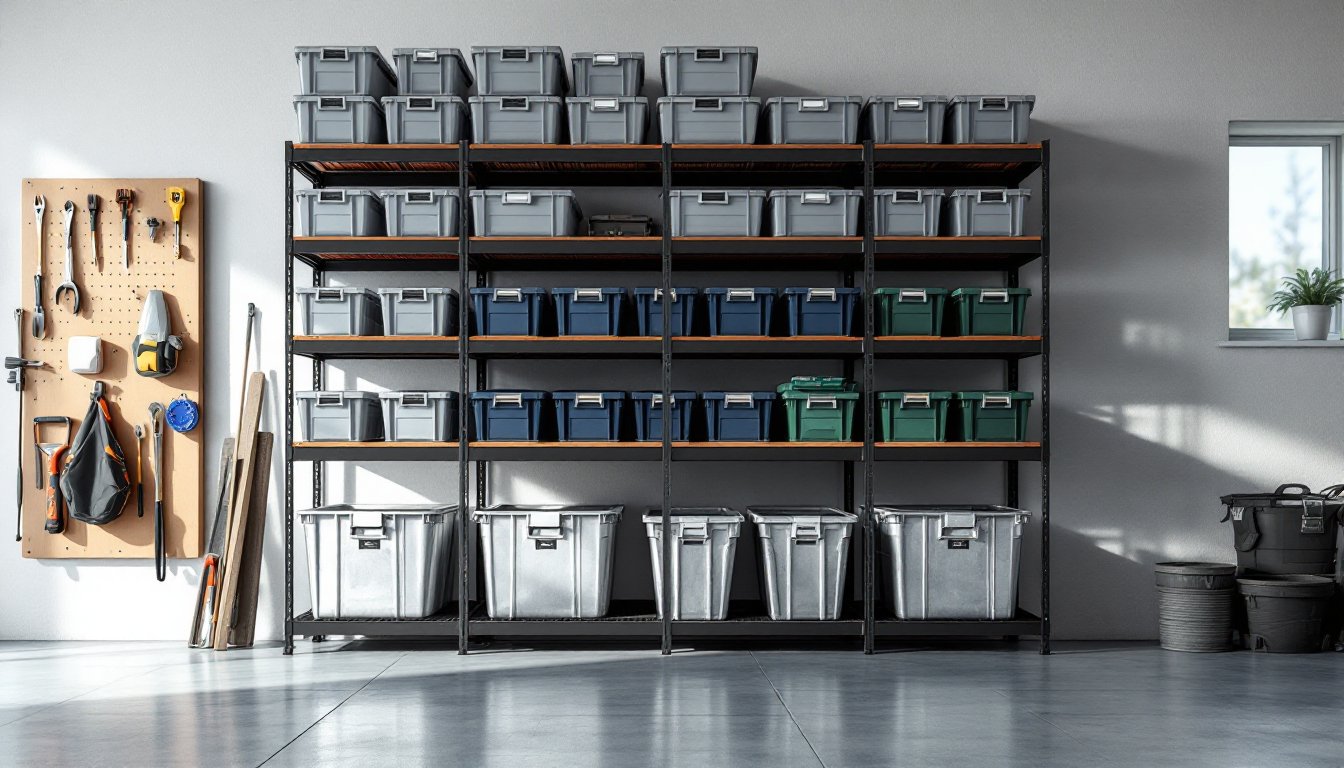
Commercial storage bins aren’t just for warehouses anymore. More homeowners are discovering that the same heavy-duty containers used in industrial settings solve household storage headaches better than consumer-grade plastic totes that crack after a season in the garage. These bins are built to handle weight, stacking, temperature swings, and years of use, perfect for basements, attics, workshops, and garages where flimsy bins fail. Whether someone’s organizing tools, holiday decorations, or bulk pantry supplies, upgrading to commercial-grade storage means fewer replacements and better protection for what’s inside.
Commercial storage bins are heavy-duty containers designed for industrial, warehouse, and retail environments where durability and load capacity matter. Unlike standard household storage totes, these bins meet higher material standards, thicker high-density polyethylene (HDPE) plastic, reinforced corners, steel construction, or industrial-grade polypropylene.
The key difference lies in capacity and longevity. A typical consumer bin might hold 20–30 pounds comfortably. Commercial bins routinely handle 50–100+ pounds without warping or cracking. They’re built for repeated stacking (often 5–8 bins high), resist UV degradation, and tolerate temperature extremes from unheated garages to hot attics.
Homeowners benefit from this ruggedness in several ways. Garage storage sees constant temperature fluctuations that make standard plastic brittle. Basement organization requires bins that won’t absorb moisture or develop mold. Workshop spaces need containers that resist oil, solvents, and impact from dropped tools. Commercial bins deliver that resilience.
Another advantage: standardized dimensions. Many commercial bins follow modular sizing that stacks efficiently on industrial shelving units, which are increasingly popular in home garages and basements. This means less wasted vertical space and cleaner organization.
Cost is higher upfront, commercial bins typically run $15–$60 each depending on size and material versus $8–$20 for consumer versions. But the math changes when factoring in replacement cycles. A quality commercial bin lasts 10–15 years in harsh conditions where cheaper bins might crack within 2–3 years.
Not all commercial bins suit home projects equally. Understanding the main categories helps match the right container to the job.
Stackable plastic bins are the workhorses of commercial storage, molded from HDPE or polypropylene with interlocking lips or channels that prevent shifting when stacked. These come in two main styles: straight-wall bins (uniform width from top to bottom) and nest-when-empty bins (tapered sides that nest inside each other when not in use).
Straight-wall bins maximize interior volume and work best for permanent storage where space isn’t an issue. They’re ideal for basement shelving or garage wall systems. Nest-when-empty designs save space during seasonal transitions, think holiday decoration rotation where bins sit empty for months.
Look for bins with reinforced corners and a minimum wall thickness of 2–3mm. Commercial models often include molded-in handles rather than rope handles that tear out. Weight capacity should be clearly marked: quality bins specify both gross capacity (how much the bin itself can hold) and stacking load (how much weight can sit on top when stacked).
Common residential sizes include 12-gallon (18″ × 12″ × 12″) for tool storage, 27-gallon (27″ × 17″ × 12″) for seasonal items, and 40-gallon (28″ × 20″ × 15″) for bulk storage. Transparent or semi-transparent walls help identify contents without opening lids, though opaque bins better protect light-sensitive items.
Several tested models have proven their reliability in home settings. Research on storage bin durability confirms that commercial-grade plastic bins handle heavy loads and frequent use better than standard household versions.
Metal storage bins, typically galvanized steel or powder-coated steel, offer unmatched durability and security but come with tradeoffs. They’re heavier (a 20-gallon metal bin weighs 8–12 pounds empty versus 3–4 pounds for plastic), more expensive ($40–$80+), and prone to rust if coatings scratch or moisture accumulates.
Where metal excels: fire resistance (critical for storing flammable materials like paint, solvents, or oily rags), pest protection (rodents can’t chew through steel), and security (most metal bins accept padlocks). They’re the right choice for workshop storage of chemicals, valuable tools, or documents in spaces without climate control.
Ventilated metal bins with perforated sides prevent condensation buildup, making them suitable for garages where temperature swings create moisture. Solid-wall versions work better for dust-sensitive storage like seasonal textiles or electronics.
Weight becomes a factor on upper shelves or in attics where floor joist capacity matters. Residential attics typically support 10–20 psf (pounds per square foot) for storage, and a fully loaded metal bin can easily exceed safe concentrated loads. Always distribute weight across multiple joists and consider plastic bins for elevated storage.
Matching bins to specific home storage challenges requires evaluating several factors beyond just size.
Load capacity matters most. Check both the bin’s weight rating and the shelf capacity if using industrial shelving. Standard steel wire shelving handles 250–500 pounds per shelf evenly distributed, but commercial bins concentrate weight. A single 50-pound bin creates a point load that can bow weaker shelves. Look for shelving rated to 500+ pounds or add reinforced deck boards between bins and wire shelves.
Stacking height determines vertical storage efficiency. Most commercial plastic bins safely stack 4–6 high when properly loaded, but this assumes level surfaces and evenly distributed weight inside each bin. Uneven loading creates tipping hazards. In earthquake-prone regions, limit stacks to 3–4 bins and secure tall stacks to wall studs using metal shelf brackets or L-brackets.
Environmental conditions shape material choice. Unheated garages in northern climates see temperatures from -20°F to 120°F+. Standard plastic becomes brittle below 32°F: commercial HDPE remains flexible to -40°F. Hot attics demand UV-stabilized plastic that won’t degrade under sustained 140°F+ temperatures and indirect sunlight through vents.
Moisture exposure requires sealed lids with gasket seals rather than simple snap-on covers. Basements prone to flooding need bins rated for water resistance, look for models with sealed seams and latching lids that maintain closure under water pressure. For critical storage like documents or textiles, add silica gel packets inside bins to control humidity.
Dimensions should match shelving depth. Standard 24-inch-deep industrial shelving accommodates most 18–20-inch-deep bins with room for airflow. Bins shouldn’t overhang shelves, creating tipping hazards. Measure vertical clearance between shelves: most bins with lids add 2–4 inches to stated height.
Testing by consumer organizations shows that choosing quality bins matched to specific needs prevents common storage failures. Reviews of top-rated storage systems emphasize that durability and proper sizing make the difference between functional organization and wasted money.
Commercial bins solve specific home storage challenges where consumer products fall short.
Workshop and tool storage benefits most from stackable plastic bins with dividers. Store power tool accessories (router bits, saw blades, drill bits) in smaller 6–12-quart bins with removable compartments. Larger 27-gallon bins handle bulky items like extension cords, sanders, and paint supplies. Use opaque bins for light-sensitive finishes and lubricants.
Label bins clearly using industrial label makers or paint markers rather than paper labels that peel. Include weight on labels, critical when someone else needs to move bins.
Garage seasonal storage puts commercial bin durability to the test. Holiday decorations, camping gear, and sports equipment cycle between storage and use repeatedly. Nest-when-empty bins save space during active seasons. Choose 40-gallon bins for lightweight, bulky items like artificial trees and sleeping bags: smaller 18-gallon bins for heavier items like tent stakes and cookware that exceed weight limits in larger containers.
Many homeowners find that recommendations for organizing various home spaces highlight the importance of matching bin type to room-specific needs, especially when dealing with varying temperatures and humidity levels.
Basement and attic storage demands moisture and temperature resistance. Store textiles, books, and electronics in sealed bins with gasket lids. Add moisture absorbers and check bins seasonally for condensation. Avoid storing anything irreplaceable in attics, extreme temperatures and potential roof leaks make them risky for valuables.
Elevate bins off basement floors using 2×4 lumber or plastic pallets to protect against minor flooding. A 6-inch elevation protects contents in most basement moisture situations.
Bulk pantry storage uses food-grade plastic bins (check for NSF certification) to protect dry goods from pests. Store flour, rice, beans, and pasta in 12–18-quart bins with airtight lids. Metal bins work for pet food and birdseed where rodents are concerns, standard plastic won’t stop determined mice.
Don’t use bins that previously held chemicals or non-food items for pantry storage. Plastic absorbs odors and residues that don’t wash out completely.
Emergency preparedness kits belong in commercial bins rated for temperature extremes. Store water, first aid supplies, flashlights, batteries, and non-perishable food in waterproof bins near exits. Use bright-colored bins (red or orange) for easy identification. Check contents annually and rotate supplies before expiration dates.
Commercial bins last decades with minimal maintenance, but a few practices prevent premature failure and keep contents safe.
Clean bins before first use and seasonally during rotation. Wash plastic bins with mild dish soap and water: avoid harsh solvents or abrasive cleaners that scratch surfaces and create cracks where moisture and bacteria accumulate. Let bins dry completely, air-dry for 24 hours in sunlight to eliminate moisture that causes mold.
Metal bins need different care. Inspect powder coating annually for chips or scratches that expose bare metal. Touch up damage with rust-inhibiting spray paint in matching colors. Apply a thin coat of 3-in-1 oil to hinges and latches yearly to prevent seizure.
Inspect lids and seals during seasonal storage rotation. Gasket seals dry out and crack over time, especially in temperature extremes. Replace worn gaskets, most manufacturers sell replacement seals for $5–$10. Cracked lids compromise moisture protection: replace them rather than risk contents.
Load bins properly to maximize longevity. Heavier items belong on the bottom, distributed evenly across the base. Uneven loading stresses corners and can crack even commercial-grade plastic. Fill bins to 80% capacity when stacking, overfilling prevents proper lid sealing and creates pressure points that warp bins.
Store bins on level surfaces. Uneven floors transfer stress to bin corners and prevent proper stacking. Use shims or leveling feet under shelving units on concrete floors that slope for drainage.
Rotate stock in long-term storage. Even sealed bins benefit from annual opening to check for moisture, pest intrusion, or material degradation. This practice also ensures emergency supplies remain accessible and usable.
Safety note: Wear work gloves when handling metal bins, sharp edges and burrs can cause cuts. Use lifting straps or a dolly for bins over 40 pounds. Improper lifting causes more DIY injuries than most power tools.
